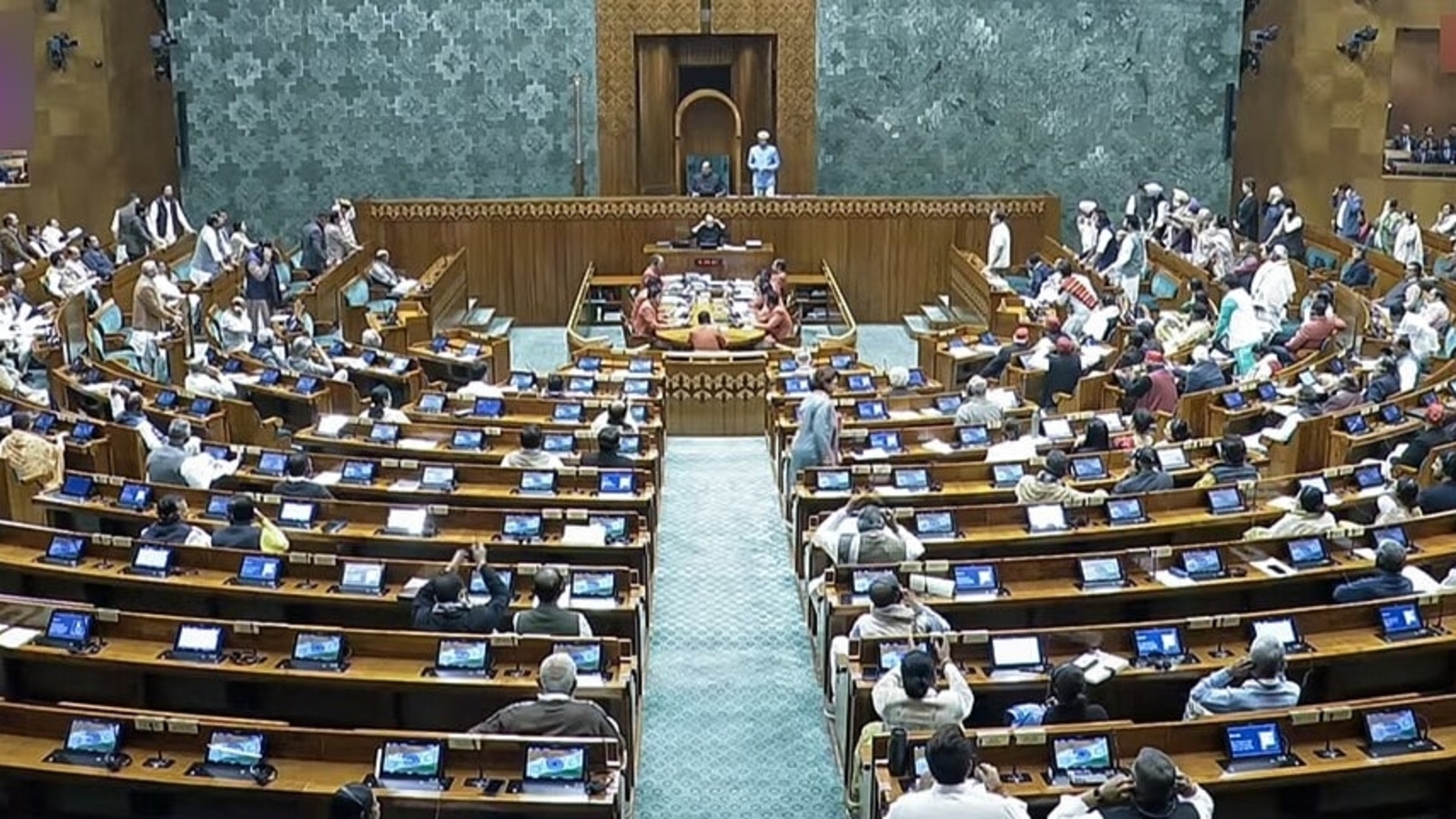
The Delimitation (Second) Bill, 2026, proposes a 50 per cent increase in Lok Sabha seats for every state and Union Territory, according to the bill accessed by this website. The move is intended to bring into effect reservation of seats for women in Parliament and in the legislative assemblies of states and Union Territories. The delimitation exercise would be carried out on the basis of the last published census, the report said.
The Union Cabinet, chaired by Prime Minister Narendra Modi, approved the Constitution 132nd Amendment Bill on Friday. The decision came a day after the Lok Sabha Secretariat announced that a four-day Parliament sitting would begin on November 30 and likely conclude on December 3, subject to exigencies. The step looks to address criticism of the Centre's previous attempt in April, when the Opposition blocked the bill in the Lok Sabha, with critics arguing that the promise of a uniform increase was made in speeches but not mentioned in the bill.
The focus has returned to the 131st Constitution Amendment Bill, which faltered in the Lok Sabha on April 17 during a three-day special sitting of the extended budget session. That bill sought to raise the Lok Sabha seat ceiling from 550 to 850, with up to 815 members from the states and 35 from Union Territories, and aimed to implement 33 per cent reservation for women in time for the 2029 polls. The Lower House has 543 members. The bill received 298 votes in favour and 230 against, but needed two-thirds of members present and voting, which was 352. It was the first time a constitutional amendment brought by the government had been defeated since the NDA came to power in 2014.
A united Opposition thwarted the bill despite a last-minute offer by Union Home Minister Amit Shah for a 50 per cent rise in seats for every state, after which the government withdrew two linked bills that needed a simple majority. The biggest sticking point was how the extra seats would be shared among states, with critics arguing that North India could gain more seats due to its population while South India, which contributes around 30-31% of GDP, could lose out. The government said every state's seats would go up by the same proportion, but the text of the three bills did not explicitly mention a fixed proportion or a freeze on each state's share. The Opposition said it supported women's reservation but not the delimitation bill, with its leaders alleging that the government's promises were spoken in the House, not written into the bills. Because the NDA does not have a two-thirds majority needed for Constitution amendment bills on its own, any fresh attempt will depend on neutral parties and fence-sitters.