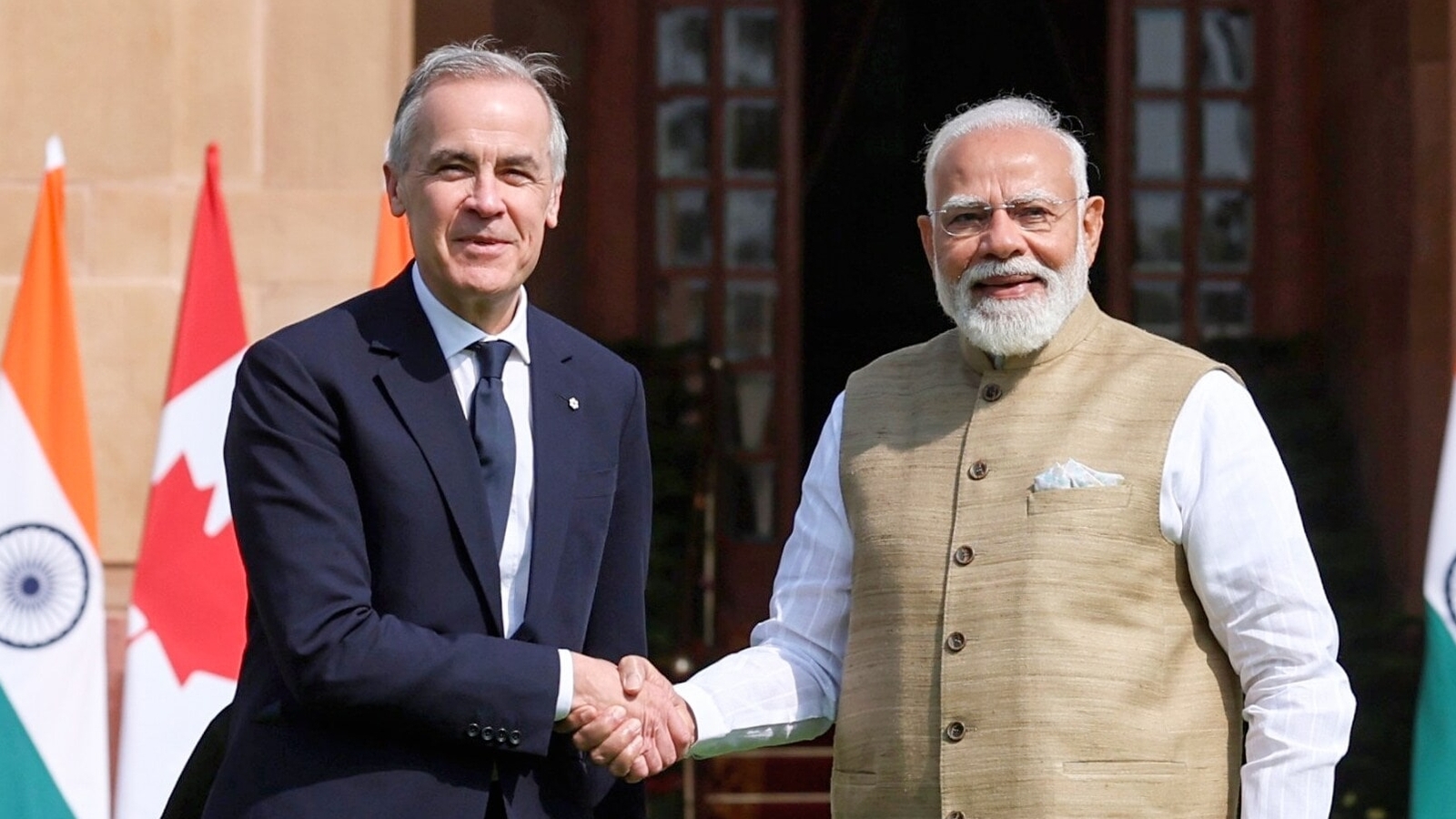
India and Canada have concluded the sixth round of negotiations on the proposed Comprehensive Economic Partnership Agreement (CEPA), with both sides working to finalise the pact ahead of an expected visit by Prime Minister Narendra Modi to Canada next month. The face-to-face talks were held in New Delhi from November 11 to 20, according to the commerce ministry.
Commerce Secretary Rajesh Agrawal and Canadian Vice Minister Glenn Purves reviewed the progress made during the round. The Indian delegation was led by chief negotiator Brij Mohan Mishra, while Canadian chief negotiator Mary-Catherine Speirs represented the other side. According to people familiar with the matter, near consensus has been reached on several chapters of the proposed agreement, and some chapters have been concluded. The talks covered key areas including trade in goods, trade in services, rules of origin, trade remedies, intellectual property and investment promotion.
The ministry said the round saw constructive and substantive discussions across negotiating tracks, guided by the shared objective of concluding the negotiations within the timelines envisaged by the leaders of both nations. Both sides reaffirmed their commitment to an ambitious, balanced and commercially meaningful agreement that delivers tangible benefits to farmers, industries, businesses and MSMEs in both countries. They emphasised that the proposed CEPA would unlock new opportunities in trade and investment, strengthen resilient and diversified supply chains, and deepen the economic partnership.
The two countries will remain engaged virtually so that leaders may announce tangible progress in trade, investment and energy cooperation during Modi's proposed visit, the people cited above said. The High Commission of India in Ottawa said in a post on X on October 16 that Modi will visit Canada on December 11-12. Besides CEPA, India and Canada are exploring deeper energy ties, including a plan to establish a two-way energy supply chain under which India would import Canadian oil and gas and send refined petroleum products the other way, the people said.