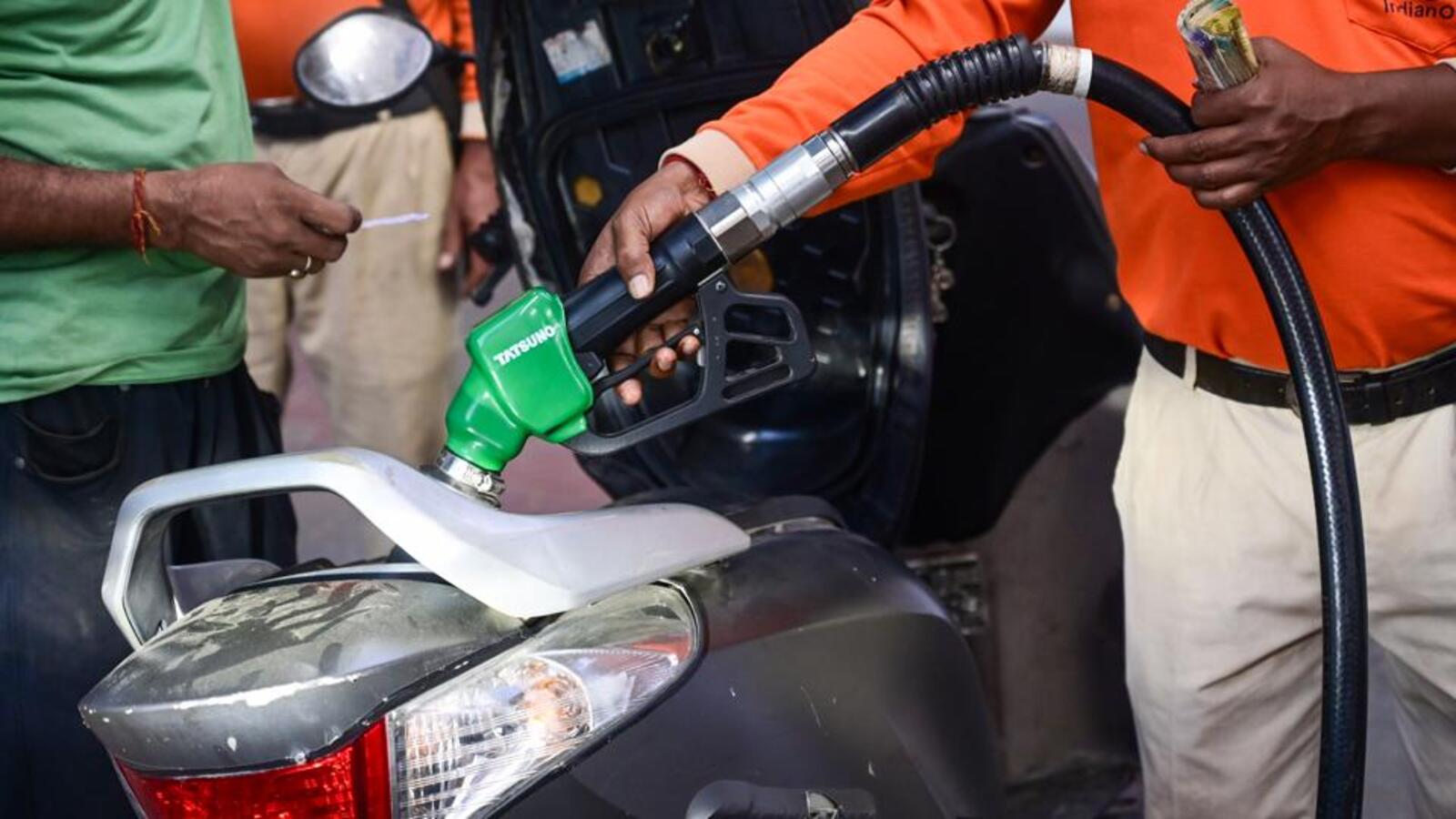
Karnataka minister Rizwan Arshad has urged the Centre to allow motorists the option of buying lower-ethanol E10 and ethanol-free petrol alongside E20, establish a third-party fuel testing mechanism and set up a dedicated compensation fund for vehicles damaged by excess ethanol blending. In a letter to Union petroleum minister Hardeep Singh Puri, Arshad sought an "urgent course correction" in the implementation of the E20 policy, citing state government test results that found ethanol concentrations as high as 31.2% in petrol samples.
The letter follows a controversy after the Karnataka government collected petrol samples from fuel outlets across the state and sent them to National Accreditation Board for Testing and Calibration Laboratories (NABL)-accredited laboratories. Of the 14 samples tested, 11 contained ethanol above the prescribed 20% limit, with concentrations ranging from 13.5% to 31.2%. Oil marketing companies have disputed the findings, questioning the sample-collection procedure adopted by state officials; Karnataka has rejected these objections, with the minister underlining that officials followed procedures under the law. There was no immediate reaction from the petroleum ministry on the letter.
Arshad said Karnataka was not opposed to the Ethanol Blending Programme but to the alleged over-blending, writing that the programme "cannot come at the cost of the citizens." He also flagged discrepancies in the quantity of fuel dispensed during a statewide survey by Karnataka's Department of Legal Metrology, saying nearly 90% of the 805 retail outlets tested revealed discrepancies.
The letter listed five demands, including mandatory disclosure of ethanol concentration at fuel stations, mention of the ethanol blend in customer receipts, random testing through NABL-accredited laboratories, a dedicated compensation fund for motorists whose vehicles are damaged by petrol containing ethanol above the prescribed limit, and the option to buy E10 and ethanol-free petrol along with E20 until all vehicles are fully compliant with higher blends. Arshad argued that consumers should not be compelled to purchase E20 when a substantial portion of the country's vehicle fleet may not be compatible with higher ethanol blends.