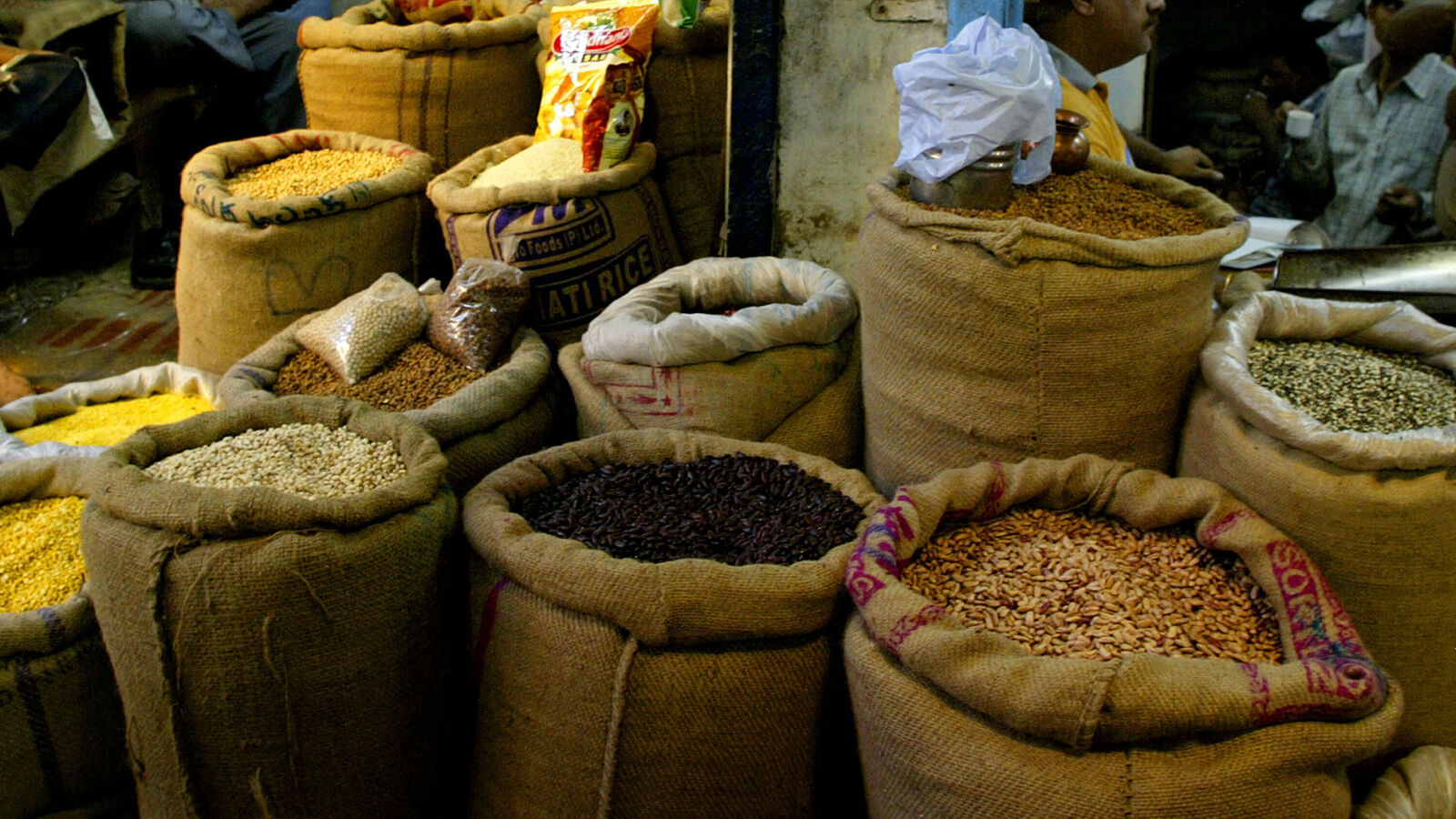
The Maharashtra cabinet on Wednesday, 25 November, approved free foodgrains for 42.30 lakh farmers across 33 drought-affected districts, according to a statement by Chief Minister Devendra Fadnavis. The benefit, available for three months, will go to farmers not covered under the National Food Security Act or receiving benefits under the APL-Direct Benefit Transfer (DBT) scheme. Eligible farmers will receive five kg of free foodgrains per person per month, comprising 3 kg rice and 2 kg wheat. Mumbai City, Mumbai Suburban and Thane districts have been excluded. The government will review the drought situation after three months to decide on continuing the scheme.
The cabinet also proposed amendments to two laws aimed at strengthening accountability in public service delivery and expediting recovery of money lost in financial frauds. Changes to the Right to Public Services Act would impose penalties of up to ₹25,000 on officials responsible for unjustified delays, set up divisional-level tribunals to expedite financial fraud cases, and introduce an automatic appeal mechanism for online applicants who opt for it if services are not provided within the stipulated time. The amendments prescribe strict timelines for disposal of first and second appeals, and empower the Chief Commissioner and Commissioners to initiate suo motu inquiries, impose penalties and review Commission orders. A separate bill would amend the Maharashtra Protection of Interest of Depositors (in Financial Establishments) Act, 1999, to speed up attachment and sale of assets of fraudulent establishments and individuals and facilitate repayment to defrauded investors, with dedicated MPID tribunals at divisional level required to dispose of cases within 90 days of filing.
Other decisions included an increase in allowances under the Dr Panjanrao Deshmukh Hostel Maintenance Allowance Scheme for EBC, SEBC and EWS students pursuing undergraduate courses in health sciences, covering food, accommodation and maintenance. The cabinet also decided to provide financial empowerment facilities to teachers and non-teaching staff under the Shalarth system through RBI-registered NBFCs, and granted revised pay scales for librarians in private-aided Ayurveda and Unani colleges as per 7th Central Pay Commission recommendations, on par with full-time librarians in government medical, dental and Ayurveda colleges.
The cabinet cleared the draft Maharashtra Private Aided Schools (Regulation) Bill, 2026, for introduction in the legislature, and a draft bill to amend the National Commission for Allied and Healthcare Professions Act, 2021, to exclude acupuncture as a system of treatment from its purview. It sanctioned ₹5,548 crore for the Narmada-Tapi River-linking Project in Nandurbar district, which envisages six diversion barrages, irrigation benefits to around 26,526 hectares and generation of 11.50 MW of electricity. Amendments to the Maharashtra Land Revenue Code, 1966, were also approved to introduce a Revenue Court Case Management System and a "one district, one appeal" mechanism to expedite disposal of cases.