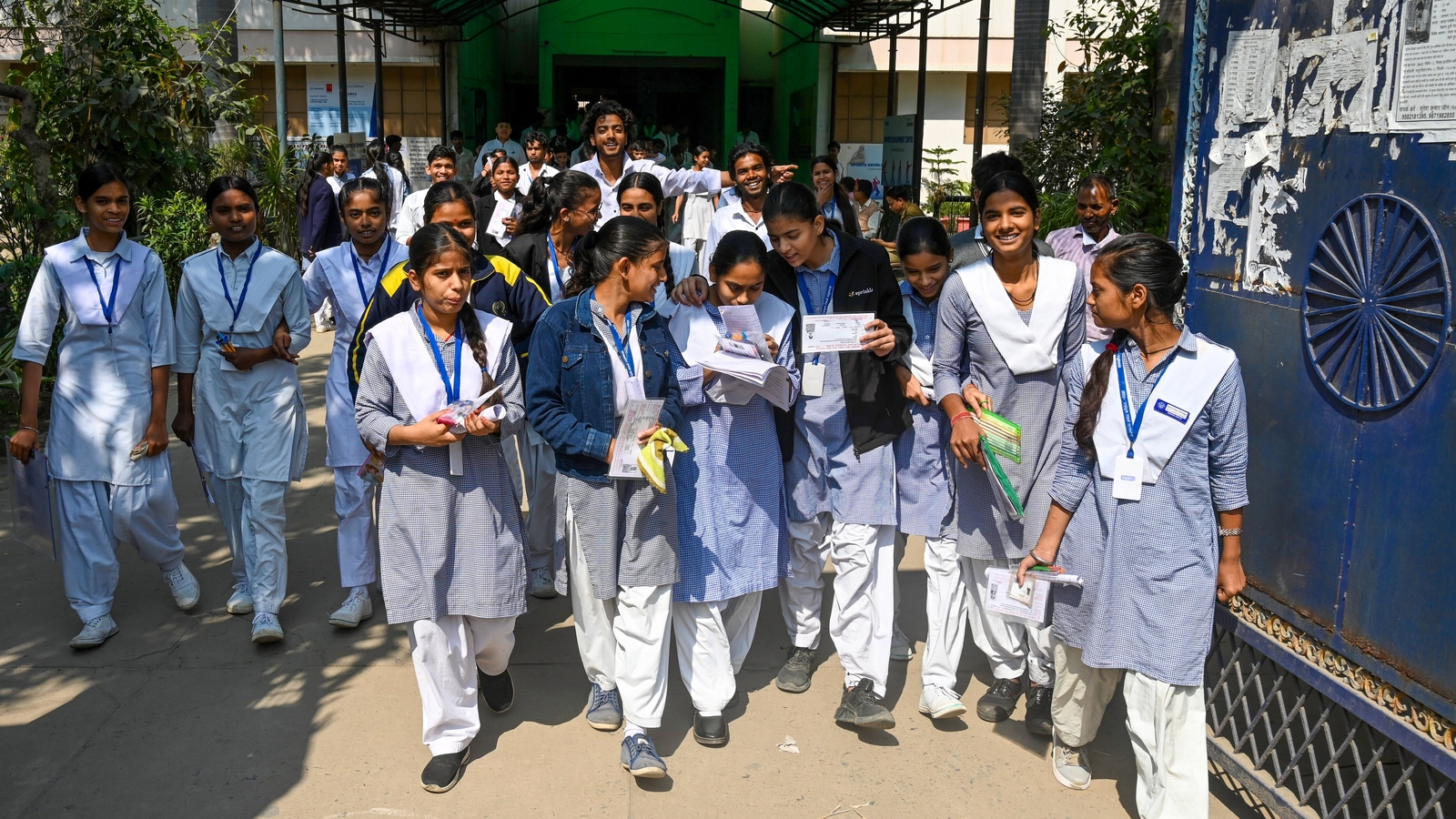
The Maharashtra government has warned schools and educational institutions of administrative action if they stop Scheduled Tribe (ST) students from appearing for examinations or withhold their academic documents over pending scholarship and fee reimbursement dues.
A circular issued by the state school education department on Friday said institutional heads will be held accountable for such violations and that students cannot be penalised for delays in the disbursement of funds by the state. It prohibited institutions from denying eligible ST students access to entrance examinations, state board examinations or any other academic examination on the grounds that their scholarship or fee reimbursement claims are pending.
The directives follow complaints that educational institutions have been demanding fees from students despite their eligibility for government reimbursement, and that in some cases students were barred from examinations or had their academic documents withheld over non-payment. The circular states that institutions cannot create hurdles in the submission of examination forms, issuance of hall tickets or participation in any other academic process, and prohibits withholding Leaving Certificates, mark sheets, bonafide certificates, result sheets or other academic documents because scholarship or fee reimbursement payments have not been received. Institutions have also been told not to demand advance payment of fees eligible for reimbursement under relevant schemes or deprive students of educational facilities on that account.
The circular makes institutional heads directly accountable, stating that appropriate administrative action will be initiated under applicable acts, rules and government resolutions if an institution is found causing academic loss to students. The directive applies to all institutions under the school education department, including government-run schools, those managed by local self-government bodies, aided schools and recognised self-financed institutions. Education officers and divisional deputy directors have been instructed to bring the circular to the notice of institutions under their jurisdiction and ensure its strict implementation.
The government has also introduced a time-bound grievance redressal mechanism. Complaints must be resolved within three working days at the institutional level by the headmaster or principal, within seven working days at the taluka and district levels by the education officer (primary/secondary), and within the same timeframe by the divisional deputy director of education. At the state level, the Director of Education (Primary or Secondary) will be required to intervene immediately wherever necessary.