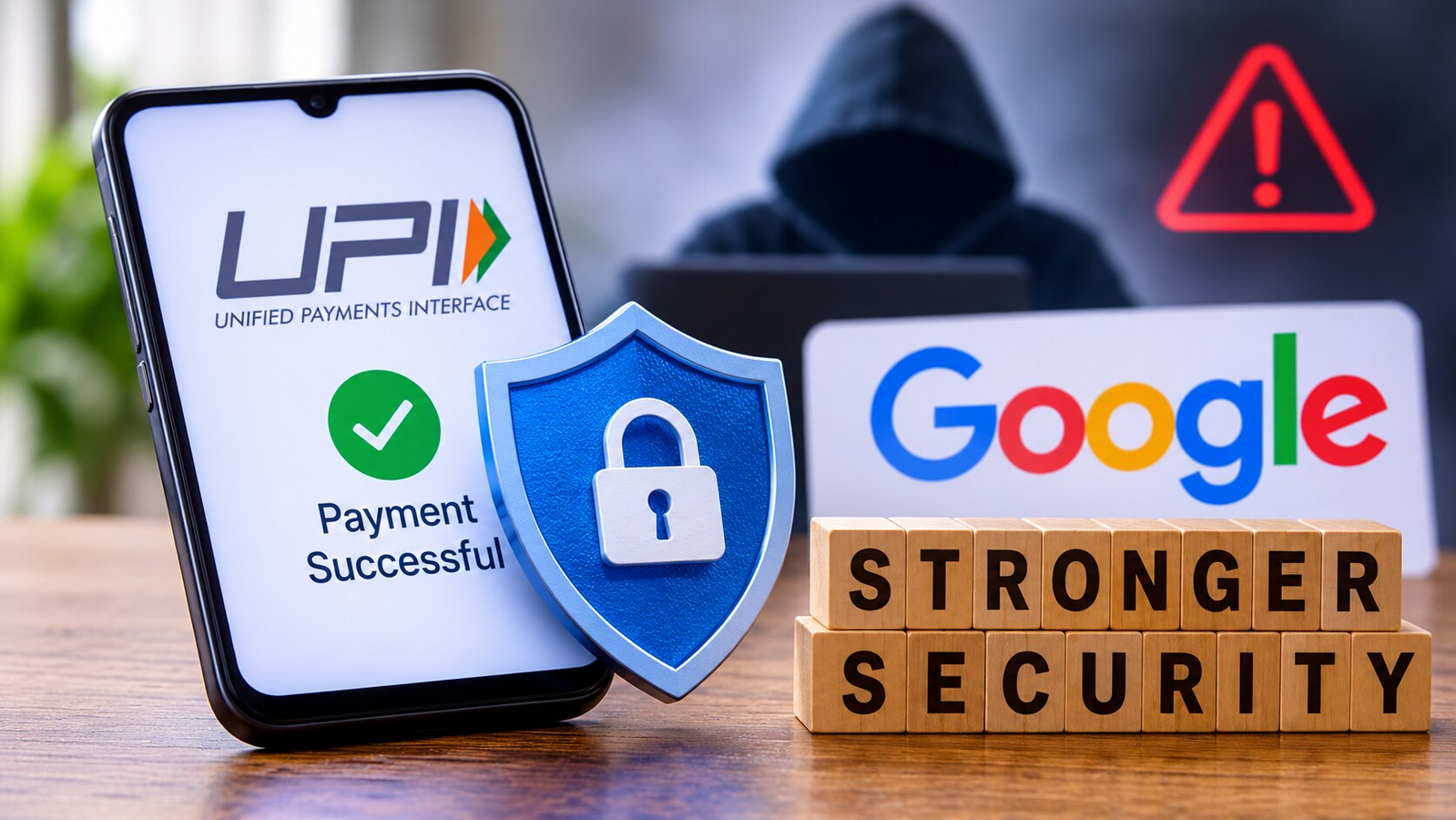
The National Payments Corporation of India (NPCI) has begun discussions with Google to strengthen security at the Android operating system level, according to a report by The Economic Times on 17 November. The move follows concerns raised by payment companies that existing safeguards may not be enough to stop fraudsters who gain access to a user's phone through malicious applications and system-level permissions.
According to the report, some criminals use harmful applications, including apps installed from outside official app stores, to gain control over parts of a person's phone. These apps can misuse Android permissions, such as the "display over other apps" feature, to interfere when a user opens a payment application and enters the UPI PIN, potentially capturing the information and passing it to the attacker. Payment apps may not always be able to identify or block such attacks because the problem can originate at the operating system level, the report said.
Payment companies have therefore sought stronger safeguards at the Android level, and the NPCI has taken up the matter with Google after concerns were raised about fraud cases that could also expose them to financial liability. One suggestion from a payment industry official is to impose stricter limits on applications installed through APK files from sources outside trusted app stores, with additional checks before such apps receive access to sensitive features such as accessibility services, device administration and screen overlays.
Cybersecurity expert Narasimhan Elangovan, who heads the cyber security and data privacy practice at Ascentium India, told The Economic Times that improving Android security is only part of the solution, and payment companies will also need to strengthen their own systems to identify suspicious activity and prevent unauthorised transactions. The discussions are still at the stage of exploring possible safeguards, with no confirmed public timeline for any proposed changes. The Reserve Bank of India's fraud-awareness material warns users about remote-access and screen-sharing applications, and users are advised to avoid installing APK files shared through unknown links or messages and to be careful when granting apps permission to access other apps, control device functions or view screen information.