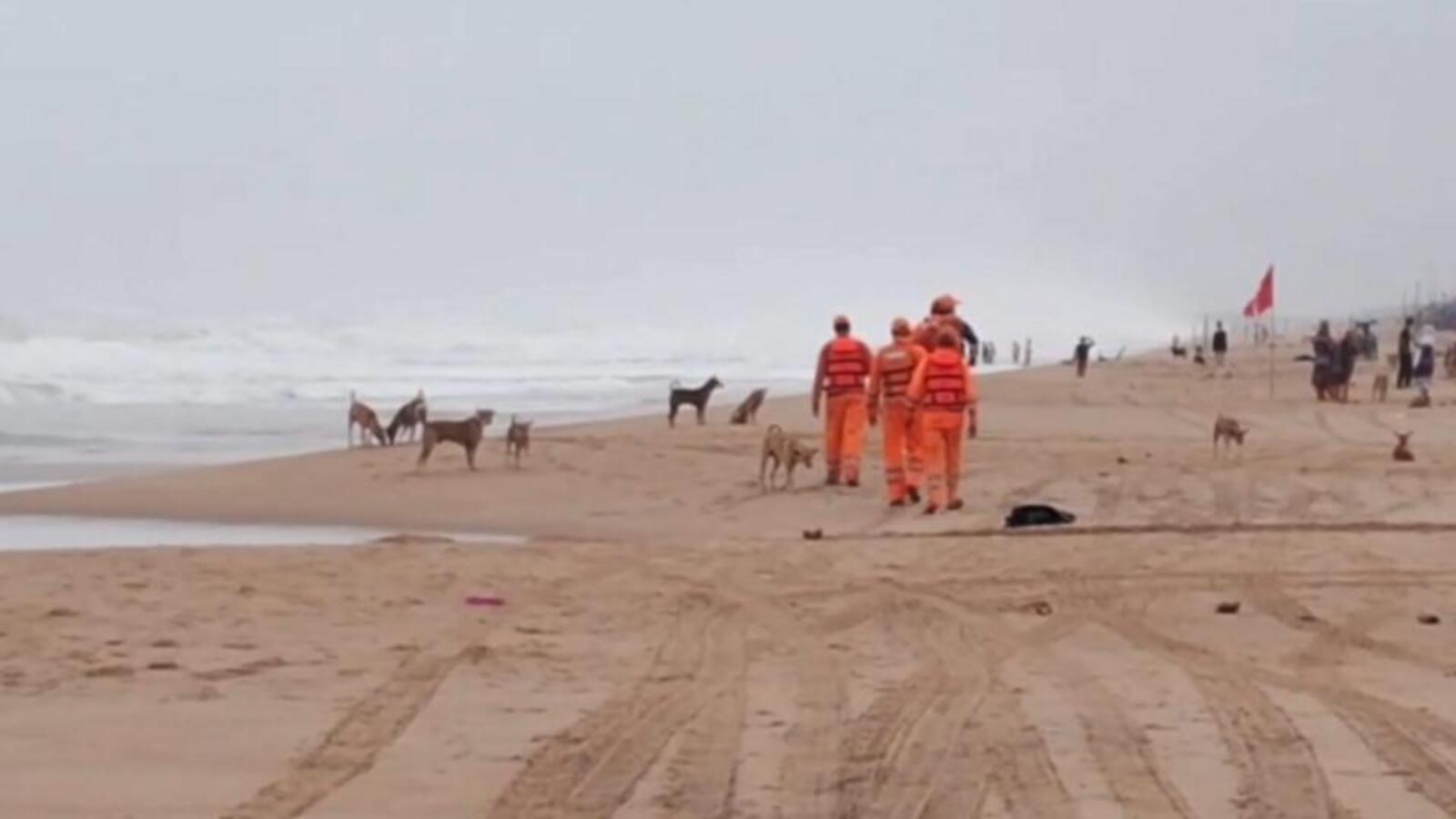
Odisha evacuated about 300,000 people from vulnerable districts before Cyclone Akvan made landfall near the Gopalpur coast on Friday morning, a move that reflects the state's transformation into one of the country's most effective disaster management systems since the 1999 Super Cyclone.
Nearly 10,000 people died in the October 1999 Super Cyclone, when a lack of adequate cyclone shelters left communities exposed as wind speeds reaching 223 mph and storm surges flattened villages and inundated agricultural land, affecting nearly 11 million people. State disaster management minister Suresh Pujari said no major damage or loss of life was reported in Odisha due to Cyclone Akvan.
Odisha State Disaster Management Authority (OSDMA) advisor Kamal Lochan Mishra said the state learnt from the tragedy and became the first in the country to establish a dedicated disaster management authority in 2005, five years before the National Disaster Management Authority was constituted. He said Odisha gradually built capacity, particularly at the community level, through community-level warning, multi-purpose cyclone shelters under the National Cyclone Risk Mitigation Project, and an Early Warning Dissemination System with last-mile connectivity. The state has 30 units of the Odisha Disaster Rapid Action Force, equipped with 66 types of sophisticated equipment.
Abha Mishra, who worked on disaster risk reduction with the United Nations Development Programme in Bhubaneswar, said community participation is a major feature of the model, with gram panchayats, women's self-help groups and a cadre of over 100,000 trained volunteers integrated into preparedness, evacuation, rescue and relief. The framework was tested when 550,000 people were evacuated before Cyclone Phailin in October 2013, and 1.5 million people were shifted to 9,177 shelters in 24 hours ahead of Cyclone Fani in May 2019. The Early Warning Dissemination System covers 1,205 villages across six coastal districts. The state has three Doppler weather radars, including the latest at Sambalpur, with a C-band radar being set up at Balasore and X-band radars planned for Bhubaneswar and Puri.
During Cyclone Dana in October 2024, around 20,000 livestock were shifted to cyclone shelters. Officials said the state has continued the previous government's practice of putting more money into disaster risk management, with the Bharatiya Janata Party government budgeting over ₹15,000 crore for management over the last three financial years. Debabrata Patra of NGO ActionAid said Odisha has been successful in saving lives but not in post-disaster recovery and restoring livelihoods, and now has to focus on hilly districts where slope failures and landslides are becoming a major headache during the monsoon and cyclone.