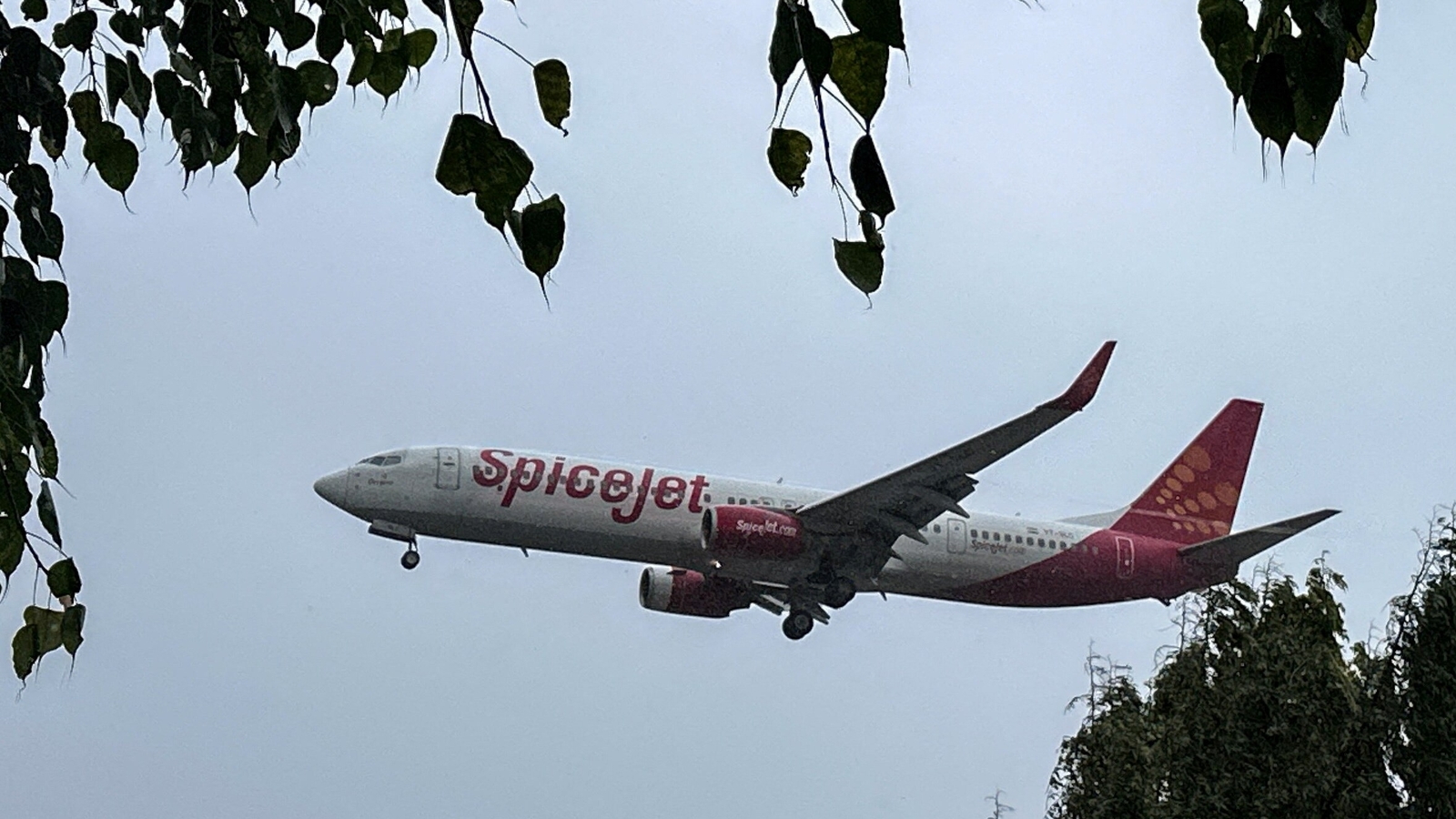
The Federation of Indian Pilots (FIP) has raised concerns that SpiceJet's financial troubles could affect aviation safety, pointing to delayed salaries, mounting liabilities and operational difficulties at the airline. In a letter to civil aviation minister Kinjarapu Ram Mohan Naidu, the pilots' body said most of SpiceJet's aircraft were grounded and that the carrier had unpaid vendor and airport dues, according to the original report.
The FIP said the crisis was not merely a corporate financial matter, as it affects travellers, employees, pilots, airport operators, aircraft lessors and service providers, and could impact the "safety and sustainability of civil aviation in India." It urged the government to examine airlines' financial health and the adequacy of existing regulatory mechanisms so that distress is identified before it affects operations and safety.
The letter comes days after the Directorate General of Civil Aviation (DGCA) issued a show-cause notice to SpiceJet over repeated rule violations, flight delays and cancellations, and concerns about its largely grounded fleet. The airline, which is trying to raise funds, had its board approve a proposal on November 18 to raise up to ₹5,500 crore through equity and other permitted instruments, according to an earlier report.
The FIP recommended that the ministry direct the DGCA to review how Civil Aviation Requirement (CAR) provisions are implemented and how effective they are. It specifically proposed a mandatory annual financial health and safety-risk assessment for every scheduled airline, with quarterly monitoring for carriers showing financial distress. The body said SpiceJet, which had a market share of about 21 per cent in 2014, had since seen a substantial decline, with a large part of its fleet grounded due to financial constraints, pending payments to lessors, maintenance issues and difficulty arranging components and spare parts. It cited reports that salary payments had been delayed, with some dues outstanding for months, and that some service providers had reportedly moved the airline to a cash-and-carry arrangement. The FIP attributed the crisis to a mix of internal factors, including the 2019 Boeing 737 MAX grounding, accumulated debts, inadequate working capital, loss of market share and high foreign currency exposure, and external pressures such as higher aviation turbine fuel prices, varying state VAT and geopolitical tensions.