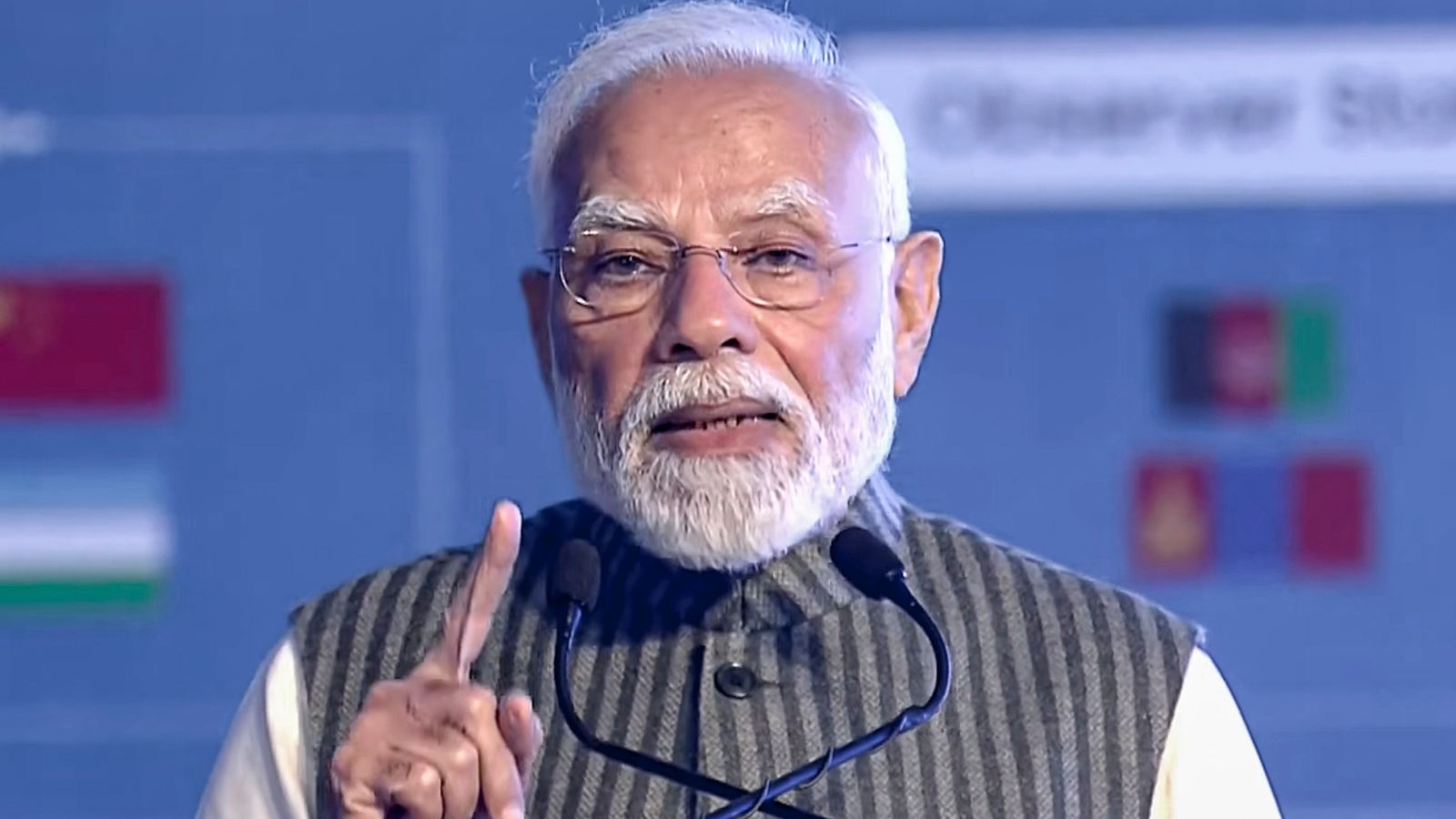
Prime Minister Narendra Modi said on Friday that cultural connections are the strongest guarantee for global peace, speaking at the first Shanghai Cooperation Organisation (SCO) Civilisational Dialogue Forum at Purana Qila in New Delhi. He noted that India was engaging in a dialogue on cultural and civilisational links at a time when discussions worldwide are dominated by war and unrest. Stating that empires have changed the map of the world but civilisational dialogues have changed the way the world thinks, he invoked Vasudhaiva Kutumbakam and said mutual harmony is the foundation of global well-being. Ministers from several SCO countries, including Pakistan's Musadik Masood Malik, attended the event.
Modi said the SCO civilisational summit is not merely a ceremonial platform but can give direction to the world, and highlighted the role of 21st-century technology in building cultural connectivity and preserving shared heritage. He urged SCO countries to take full advantage of these possibilities. The forum is the inaugural edition of an initiative building on a proposal by Modi at the 2025 SCO Summit in China's Tianjin, which was subsequently welcomed in the Bishkek Declaration.
Speaking to reporters after the event, Malik said Pakistan was there for a multilateral forum and that whatever India said was in keeping with the multilateral theme, with no mention of any bilateral issue. External affairs ministry spokesperson Randhir Jaiswal said on X that invitations were extended to all SCO members, including Pakistan, and that the forum features exhibitions showcasing India's archaeological, artistic and literary heritage.
Modi inaugurated an exhibit titled Astitva at Purana Qila, offering an immersive account of Delhi's history through archaeological evidence dating from 1200 BCE to 1200 CE. Four thematic sessions will be held over the next two days, covering cultural expressions such as music, performing arts, textiles, cuisine and traditional games; shared traditions in art and architecture; language and literary traditions, including scripts and manuscripts; and monastic trails and philosophical traditions.