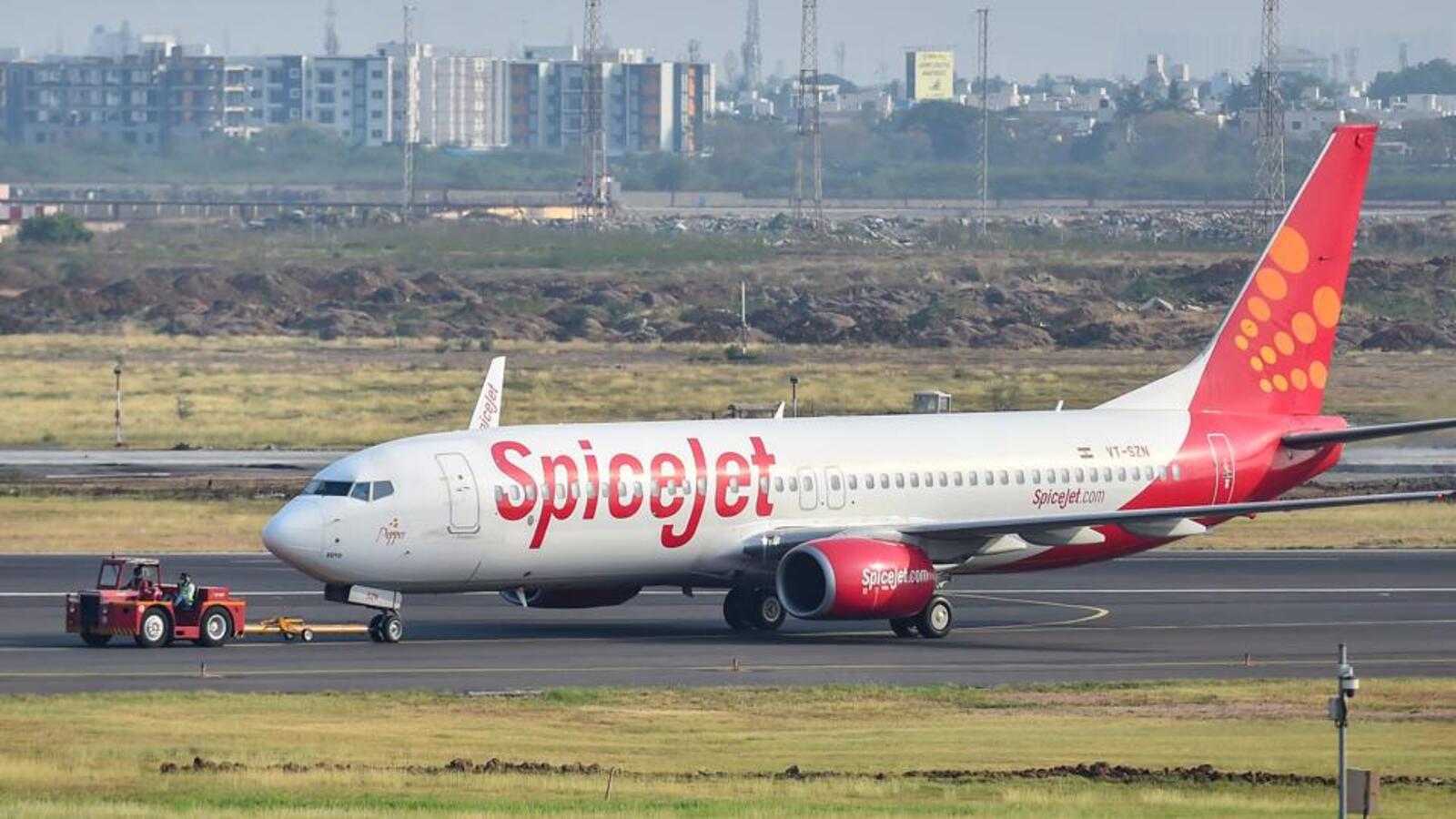
Financial trouble at budget carrier SpiceJet and the resulting disruption to its international schedule have drawn attention to a little-noticed global aviation norm: the "use it or lose it" rule for takeoff and landing slots at congested airports. Under international guidelines known as the 80/20 rule, an airline must operate at least 80% of its allocated slots in a scheduling season to keep historical rights to those timings in the same season the following year. Missing that threshold risks returning unused slots to a central pool for reassignment.
For the current winter season, which runs from October 25 to March 27, SpiceJet secured slots at overseas hubs including Dubai and Sharjah in the United Arab Emirates, and Bangkok and Phuket in Thailand. The carrier reportedly holds weekly seat entitlements of about 14,000 in each direction to Dubai, along with rights for at least five weekly flights to Sharjah and seven to Thailand.
According to Ministry of Civil Aviation guidelines, a slot is permission from a coordinator to use airport infrastructure such as runways, terminals, gates and parking stands to arrive or depart at a specific date and time at congested Level 3 airports. Airlines do not own slots outright. Coordinators weigh historical usage, carrier requests and new entrants' applications. Under the Worldwide Airport Slot Guidelines, half of the available pool is allocated to new entrants if demand exists, while the rest is open to other airlines. Slots can also be exchanged or transferred with coordinator approval.
SpiceJet's fleet has shrunk to about 12 aircraft, with only seven operational, according to PlaneSpotters.net as on November 24. Its domestic market share fell to 0.6% in September from 3.9% in January, as monthly domestic passenger volume dropped to roughly 73,000 from nearly 592,000. On November 17, the DGCA issued a notice to the airline, warning that most of its fleet remained grounded and that it had failed to submit a credible plan to return the planes to service.