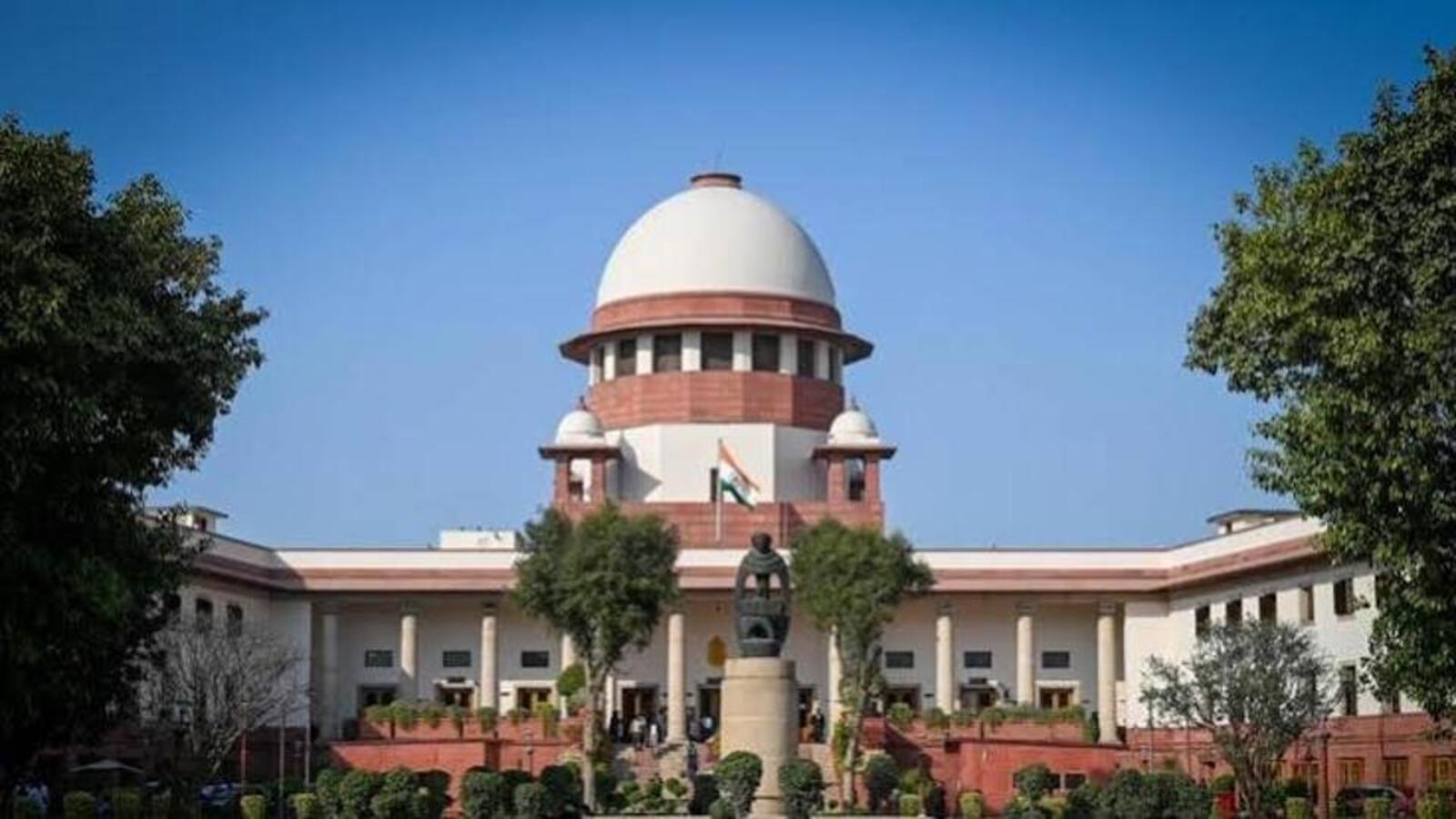
The Supreme Court on Friday ordered a fact-finding inquiry by its secretary general into why an Enforcement Directorate (ED) appeal filed in 2023 against the grant of anticipatory bail to a businessman went nearly three years without an effective hearing. A bench comprising Chief Justice of India Surya Kant and justices Joymalya Bagchi and V Mohana sought an explanation from the registry for the lapse, asking whether the delay amounted to "institutional lethargy". The CJI questioned what the registry had been doing for the last three years, and when a lawyer suggested benches were unavailable, he responded that all benches were available. Justice Bagchi described the lapse as "nothing but institutional lethargy".
The bench directed the secretary general to hold a fact-finding inquiry into why the matter was not listed in terms of its July 2023 order and after January 2024, noting that no date was fixed for nearly three years and that the matter would not have been listed even on Friday but for the latest administrative order.
The bench, however, disposed of the ED's appeal against the anticipatory bail granted to businessman Raman Singhal, also known as Raman Singla, in a money laundering case, noting that the trial had progressed substantially with eight witnesses already examined. The appeal arose from a January 30, 2023 order of the Punjab and Haryana High Court granting him anticipatory bail in a case linked to an alleged bank fraud of ₹155.21 crore involving Mahesh Timbers Private Limited. The ED had alleged that the company fraudulently enhanced Foreign Letters of Credit and diverted the proceeds to a Singapore-based company of which Singhal was a director.
The high court, while granting bail, noted that the ED had already filed its prosecution complaint and had stated that Singhal could not be arrested at that stage without a warrant from the trial court. The ED challenged the decision in the Supreme Court in May 2023, and the top court issued notice in September that year, passing multiple orders directing that the matter be relisted. When the ED's counsel requested that the high court order not be treated as a precedent, the bench clarified that its decision would have no bearing on the trial or the precedential value of the impugned order.