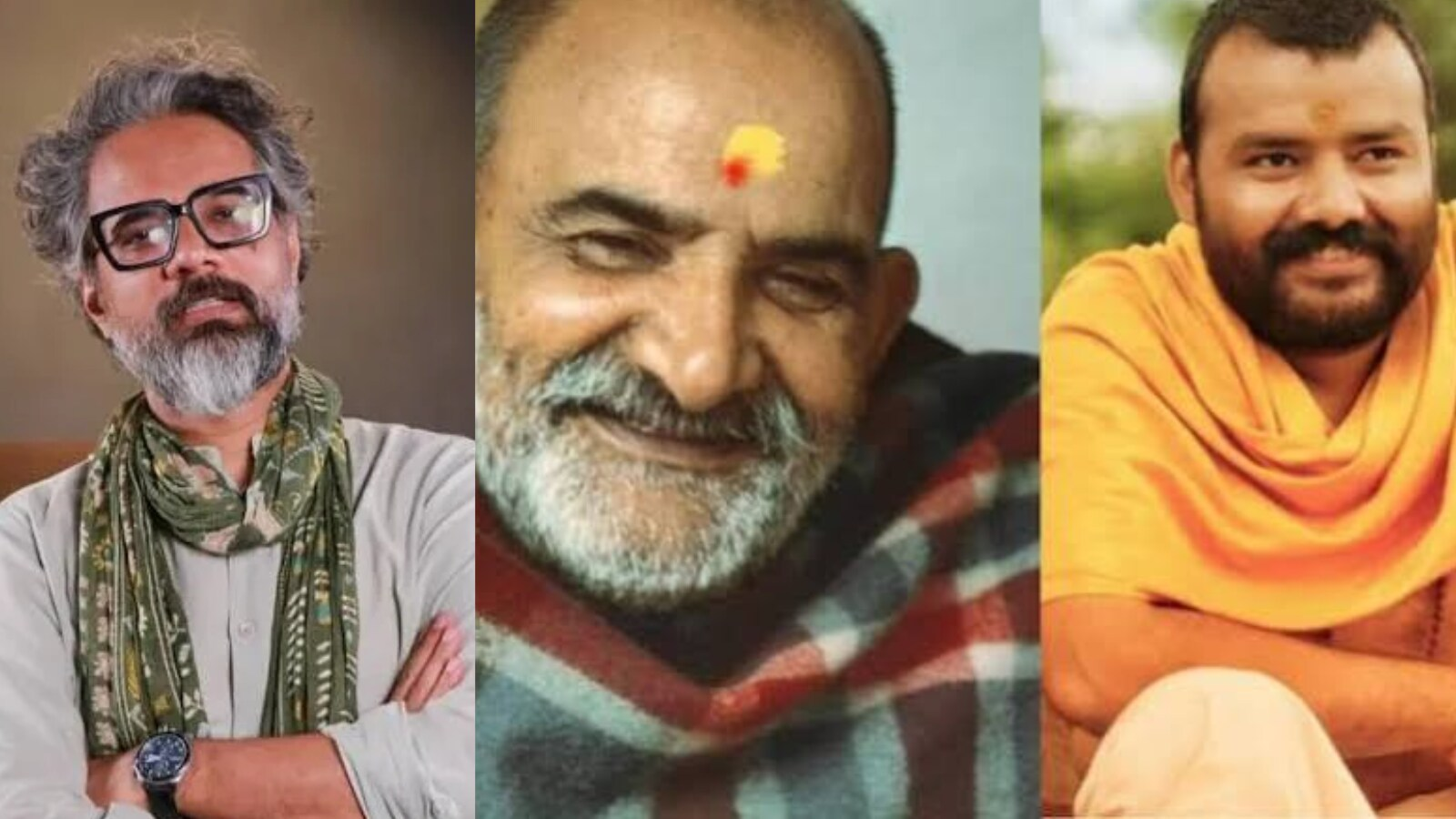
Filmmaker Vishal Chaturvedi, writer and director of Hanuman Ansh, has drawn attention after appearing at the 57th International Film Festival of India (IFFI) 2026 in Goa, where he spoke about his film's box-office run, its spiritual message and the possibility of a sequel. Chaturvedi attended the opening ceremony on Friday and told reporters on the red carpet that the film had been running in theatres for nearly 105 to 110 days, calling his participation in the festival a matter of great pride.
Chaturvedi, 49, is a filmmaker, writer and director who came into the spotlight with Hanuman Ansh, a devotional drama based on the life of Neem Karoli Baba, also known as Maharaj Ji. According to industry figures, the film was made on a reported budget of around ₹2 crore and has collected ₹452.86 crore worldwide. In an interview, Chaturvedi said his interest in the saint's life dated back several years, with discussions beginning around 2009, research becoming more structured around 2016-17 and expanding further in 2022-23. He said he had been a devotee of Maharaj Ji since 2009 and travelled to places associated with the saint, including Vrindavan, Akbarpur, Neeb Karori and Lucknow, to collect accounts of his life. The team, he said, focused on events mentioned in books or documented through credible online sources to keep the film factually accurate. Hanuman Ansh traces the spiritual journey of Lakshminarayan, who loses his mother and begins searching for answers about God, life, death and human suffering, eventually becoming the revered Neem Karoli Baba. Shobhinaw Satyaa plays the lead role.
On a sequel, Chaturvedi told reporters that one would be made when the time is right, adding that he is currently working on a film about Tulsidas. He said his hope was for the entire nation to see the film and gain a better understanding of India's culture, religion and saints rather than viewing them through a negative lens.
Speaking at IFFI, Chaturvedi said emotions are universal and do not require a particular language or ethnicity. Citing relationships such as those between mothers and sons, fathers and children, and siblings, he said people might or might not be able to cross borders, but films always do.