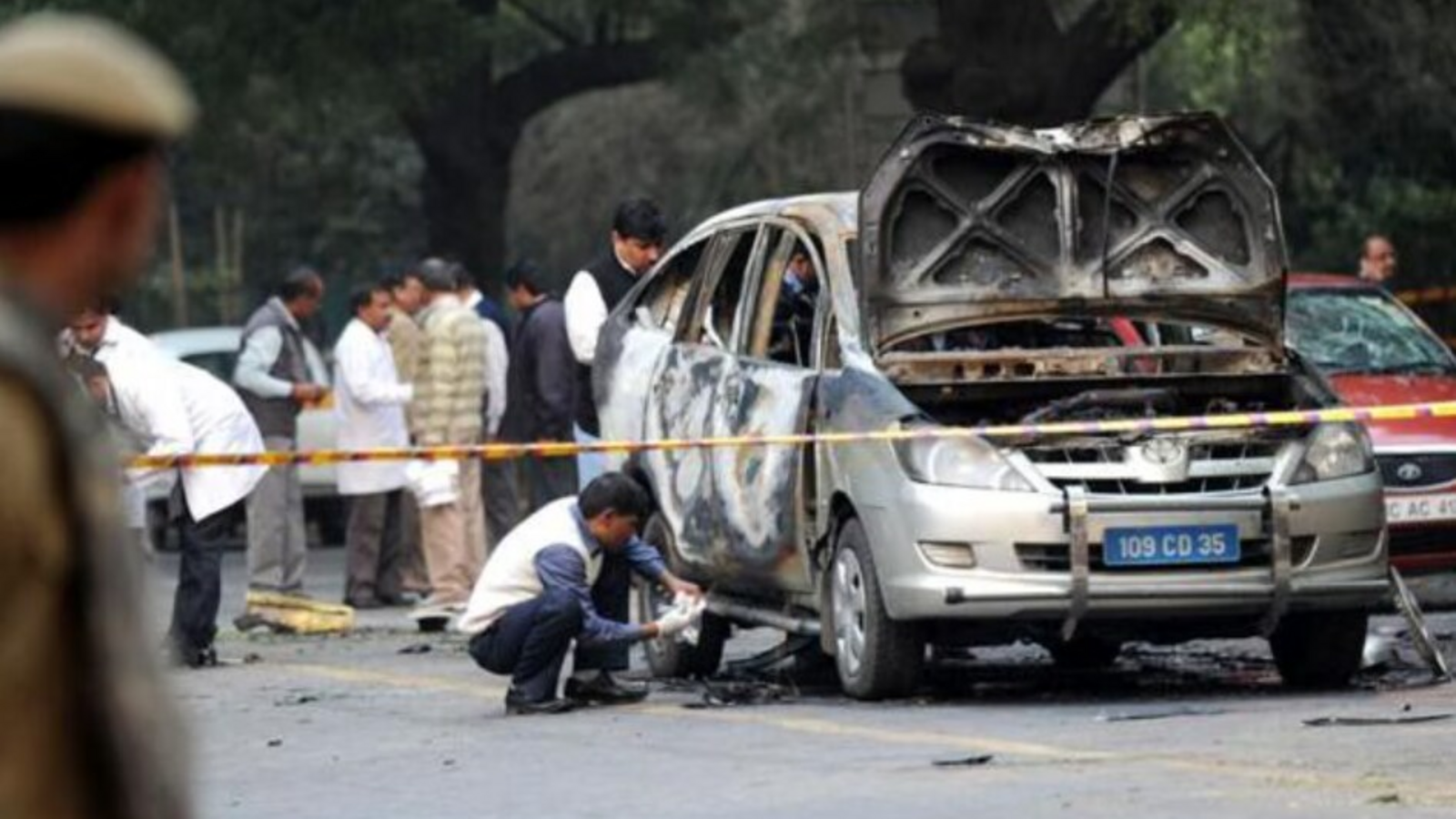
A Delhi court has taken fresh cognizance of a 14-year-old case relating to a magnetic bomb explosion on an Israeli embassy car in the capital, observing that material gathered during the investigation was sufficient to establish that "it was an act of terror". The special judge under the NIA Act at Rouse Avenue Courts took cognizance on November 19 under IPC sections 307 (attempt to murder), 323 (causing hurt) and 120B (criminal conspiracy), along with provisions of the UAPA and the Explosive Substances Act. The court held that the CFSL report, witness statements and facts discovered during investigation were sufficient at this stage to hold that a terrorist act took place in pursuance of a conspiracy.
The case dates back to February 13, 2012, when a magnetic explosive device was attached to the rear of an Israeli embassy Innova car by a motorcycle rider at Aurangzeb Road (now Dr APJ Abdul Kalam Road). It exploded seconds later, injuring Tal Yehoshua Koren, the wife of an Israeli diplomat, and her driver. Four Iranian nationals were suspected to have planned and carried out the attack; they had fled India and Interpol red notices were issued against them. Delhi-based freelance journalist Syed Mohammad Ahmed Kazmi, the sole accused named in the case, was arrested on March 6, 2012, for allegedly conspiring with the Iranians and receiving money from them.
A chief metropolitan magistrate had taken cognizance of the charge sheet in August 2012, but the Supreme Court set aside that cognizance on October 19, 2012, holding that only a special court under the NIA Act could do so, and granted statutory bail to Kazmi. The special court has now rejected Kazmi's argument that proceedings be dropped, ruling that it was competent to take cognizance afresh and that this would not amount to double cognizance. The cognizance does not mean Kazmi is guilty of the charges; arguments on framing of charges are scheduled for December 7, and he is currently out on bail.
Advocate Mehmood Pracha, representing Kazmi, said the decision will be challenged in the high court, contending that the law does not permit a second cognizance and that the Supreme Court had already set aside the magistrate's cognizance. He said a criminal reference on certain issues in the case is pending in the Delhi High Court and the special court should have awaited its decision. Questioning the timing, he asked why the decision came after so many years, suggesting the only change since 2012 was the hostilities between Iran and Israel-America.