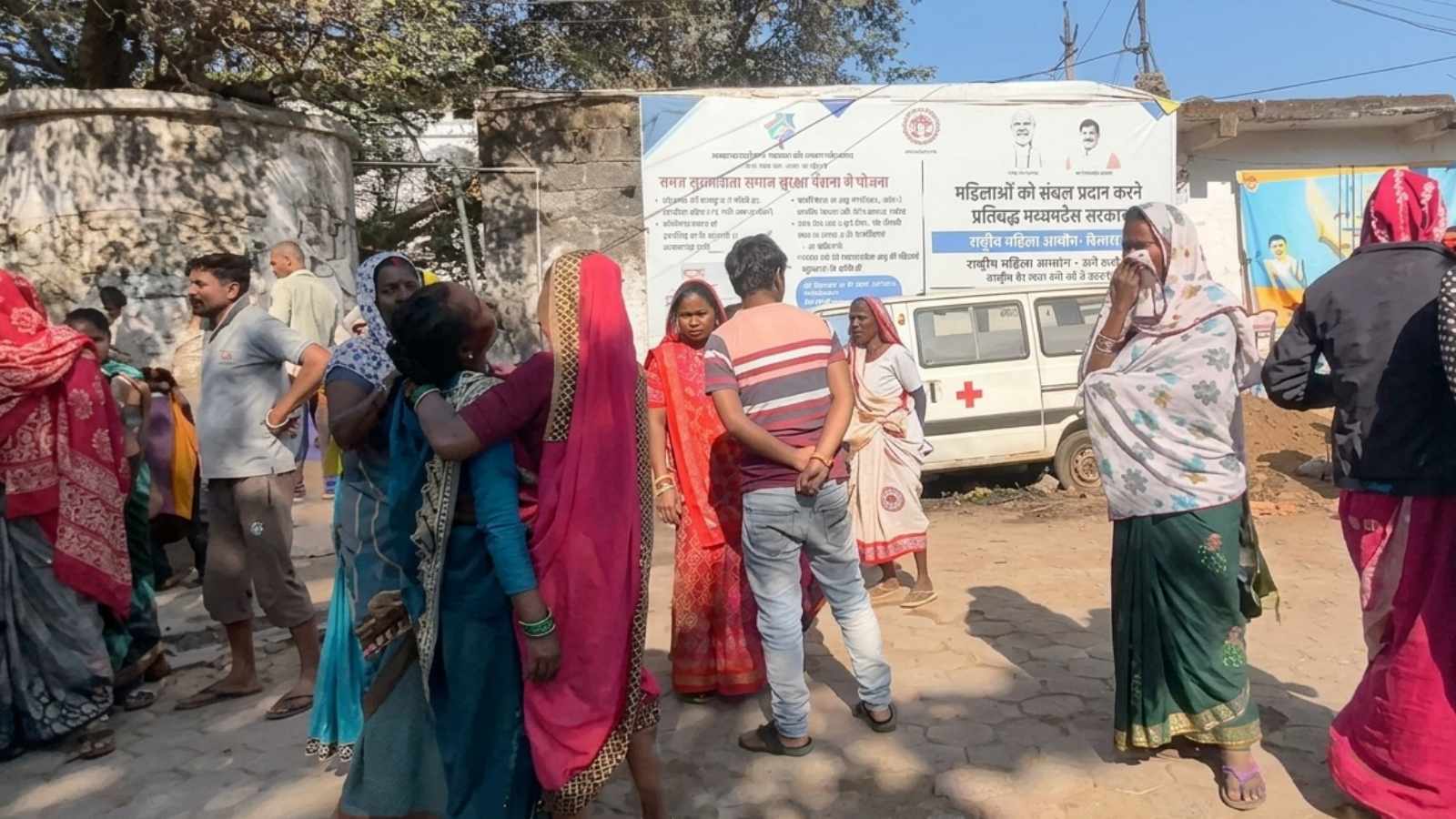
A man in Madhya Pradesh's Dindori district died after a crude explosive device, allegedly passed off as a rasgulla, exploded in his mouth during a post-Diwali gathering on the night of November 10, police said. According to the police account, a village shepherd, Dharmu Saraiya, told investigators he found the device in a forest near tribal villages and passed it to fellow villager Ramabhagat Barautiya, who allegedly carried it to the house of 35-year-old Rajendra Barautiya and presented it to him as a sweet, challenging him to taste it. Rajendra bit into it and the device exploded, severely injuring his jaw and face.
Investigating officer Durga Prasad Nagpure, in-charge of Dindori Kotwali police station, said police have obtained the shepherd's call detail records and will analyse them to determine whether he was in contact with anyone who could have supplied the explosive. The claim that he found it in the forest was yet to be independently verified, he said. Investigators were also examining the possibility that the device came from Jabalpur, where local units are involved in making firecrackers and small explosive devices, though this remained speculative and no manufacturer or supplier had been identified.
Known locally as a suar-mar or pig-killer bomb, the device is associated with hunting wild boars and relies on an animal biting into bait disguised as food, with the pressure triggering an explosion inside the mouth. Such devices have been reported elsewhere in India under names such as dukkar bombs, avuttukai and chocolate bombs, with crude charges sometimes concealed in dough balls using explosive material linked to firecrackers or quarrying. Nagpure said such bombs were relatively uncommon in the area and that he had not encountered a similar case in his two years at the police station.
Police have begun building informant networks in villages bordering forests to identify places where such devices might be circulating. Nagpure said the investigation would depend heavily on local intelligence, as searching the surrounding forests might not reveal where the devices were made or supplied.