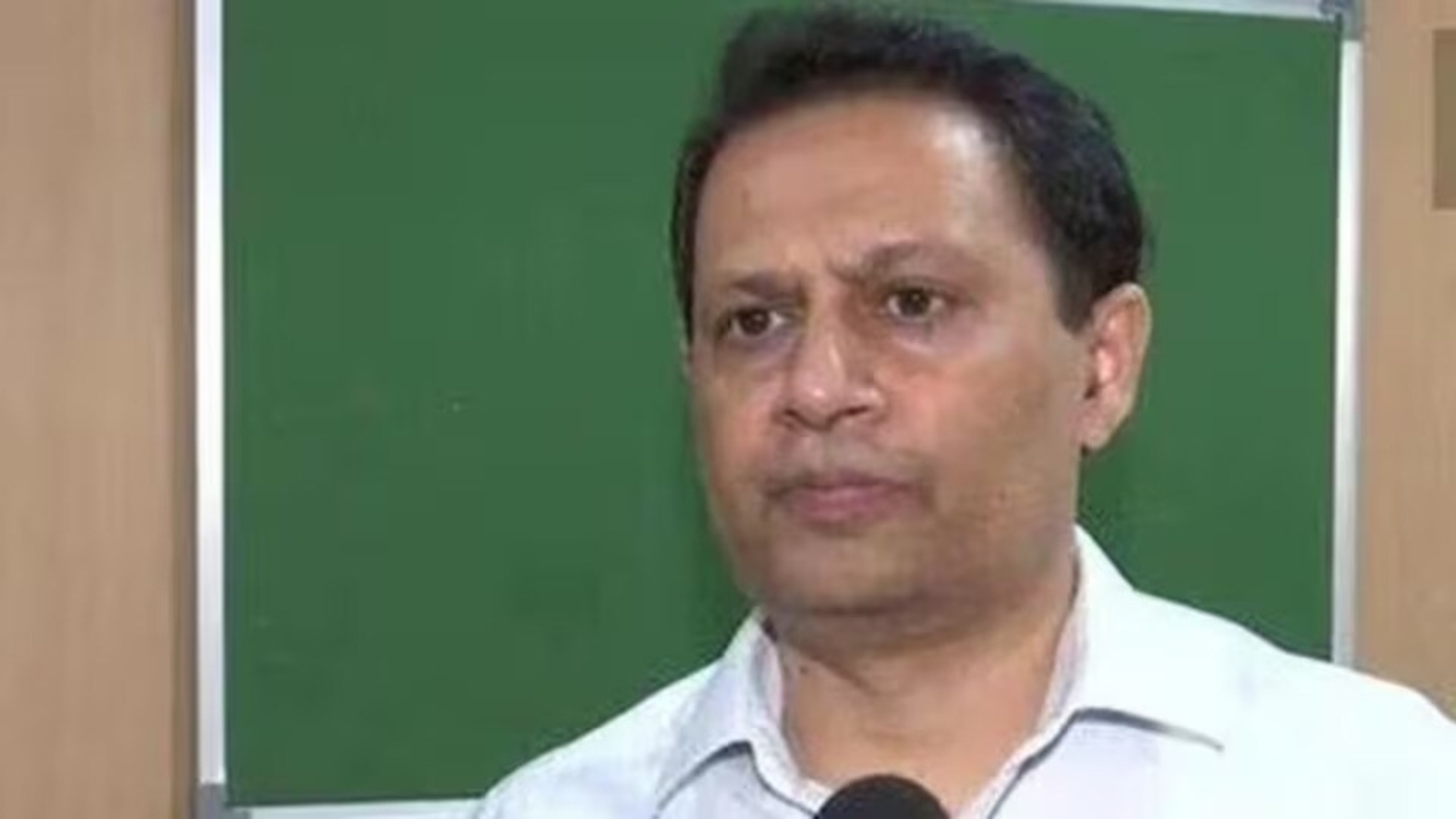
A former Narcotics Control Bureau (NCB) officer who headed the Special Investigation Team (SIT) that re-examined the 2021 Cordelia cruise drug bust has written about an emotional interaction with the son of a Bollywood superstar, according to his account in a forthcoming book. In Code of Honour, set for release on Saturday, Sanjay Kumar Singh, then an NCB deputy director general, writes that the man broke down several times while describing his arrest and what he saw as attempts to implicate him in a drug-trafficking conspiracy. The man questioned the fairness of his treatment, telling Singh, according to the book: “Sir, aapne to mujhe international trafficker bana diya, aapne mujhe drug financier bana diya, kya yeh theek hai jee? Mere paas se to drug bhi nahi mila tha NCB ko.”
Singh does not name the person, referring to him only as the “son of the celebrity”; the account appears to refer to Aryan Khan, son of actor Shah Rukh Khan, who was arrested in the case in October 2021. Singh writes that the pressure of the investigation and the media storm that followed had taken a heavy toll on him.
The SIT’s re-examination eventually led the NCB to drop charges against Aryan and five others while filing a charge sheet against 14 accused in May 2022, and it flagged gaps in evidence collection and procedural lapses in the original probe led by former Mumbai zonal director Sameer Wankhede. Singh writes that he was dissatisfied after visiting the cruise ship and speaking to officers involved in the raid, questioning whether the seizure was videographed or photographed and seeking details of the informer whose tip-off triggered the operation. He also questioned the decision to make the informer a formal witness, and writes that chats recovered from the man’s phone referred to drug consumption abroad rather than trafficking or possession, that the phone was not seized following proper procedure, and that no medical examination was conducted to establish consumption. These findings, he says, led the SIT to conclude there was insufficient material or technical evidence to prosecute him, and that the team faced no pressure to steer the probe in a particular direction.
The book also recounts Singh’s final years in the CBI, where he served between 2008 and 2015. Describing the controversy involving then CBI director Ranjit Sinha, who was accused of meeting people facing corruption charges at his official residence, Singh writes that he refused a request to prepare the agency’s defence in the matter, believing it would compromise transparency, fairness and accountability. He was subsequently transferred to Guwahati.