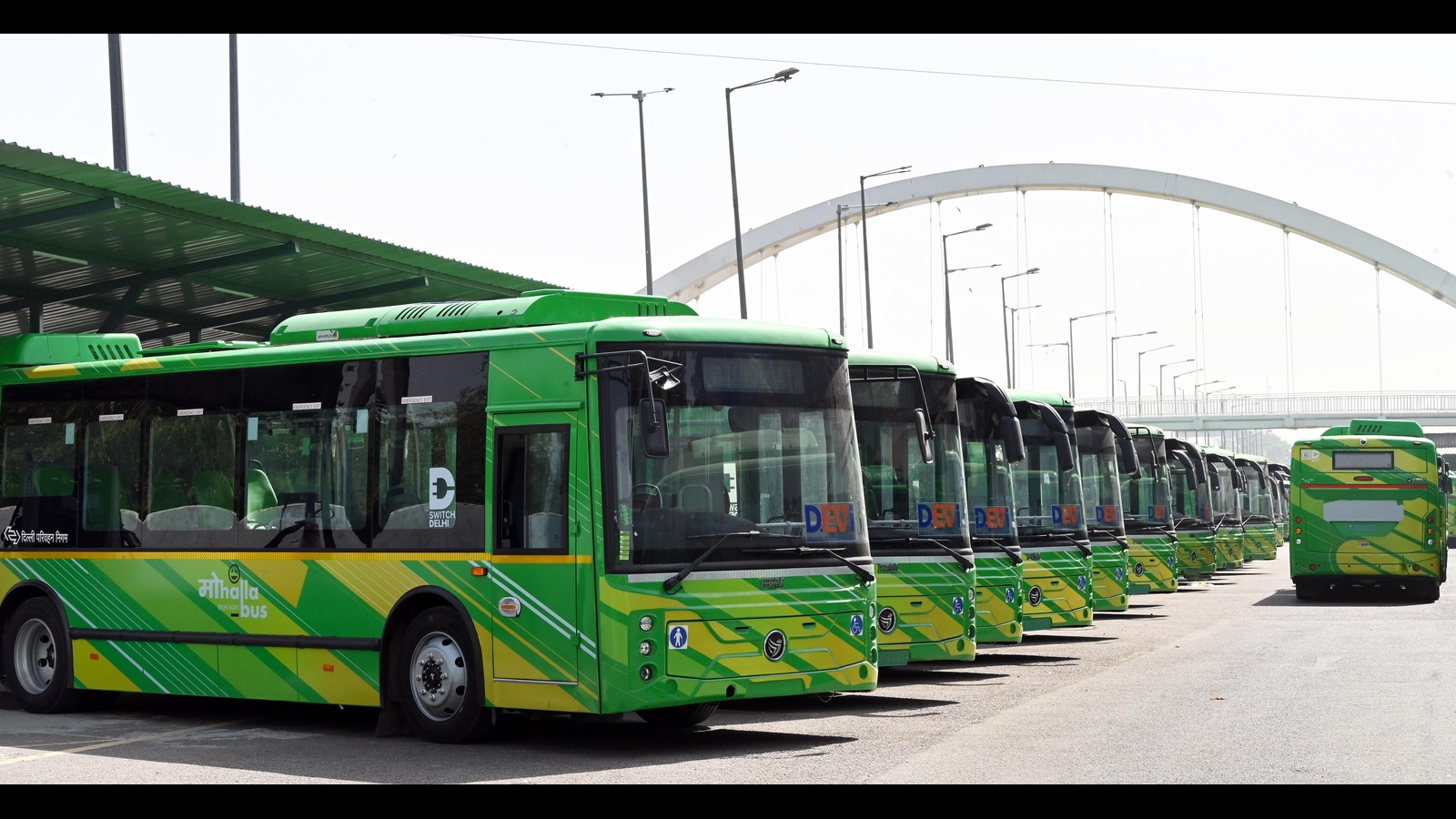
Rising fuel prices and energy security concerns amid the West Asia crisis have strengthened the case for electrifying commercial fleets, but access to finance remains a major hurdle, especially in the heavy commercial vehicle segment. Electric vehicles in the combined truck-and-bus category numbered 4,904 registrations in October, a 161% rise from 1,882 in October 2025, yet they made up only 4.1% of all trucks and buses registered that month, according to VAHAN data analysed by VehicleStats India.
The gap between registrations and required adoption is visible in the Centre's electric truck support programme. The government allocated ₹500 crore in 2024 under the PM E-DRIVE scheme to support 5,643 electric trucks, but only 55 had received support as of July 22, 2026, according to a Lok Sabha reply. The scheme's overall outlay for vehicles, including two-wheelers, three-wheelers, buses and trucks, was later raised to ₹11,900 crore, with implementation extended until March 31, 2028.
Financing is particularly critical in the electric bus segment, where an electric bus costs nearly ₹1 crore against ₹40 lakh to ₹60 lakh for a conventional internal combustion engine bus. Around 5,400 electric buses were registered in 2025-26, about 4% of all bus registrations, according to a VAHAN data analysis by ITDP India. Its report projected registrations rising to 17,814 in 2030-31, or 11.4% of annual bus registrations, based on the 32% compound annual growth rate recorded between 2022 and 2024. This would remain well below the 62,352 annual registrations required to meet the EV30@30 goal of 40% electric bus sales by 2030. The report said private operators account for 93% of the country's bus ecosystem but face higher borrowing costs because there is no established resale market or residual-value framework for electric buses.
Financing constraints extend to electric trucks, where lenders remain cautious about newer technology and uncertain resale values. Harsimran Kaur, a researcher at ICCT, said conventional lenders are often reluctant because of higher upfront costs, uncertain residual values and limited experience with the technology, adding that smaller fleet operators may struggle to absorb the initial investment even when electric trucks offer lower lifetime operating costs. She said longer loan tenures, residual-value guarantees and buyback arrangements could help lenders manage these risks, while better assessment of vehicle utilisation, long-term freight contracts and predictable cash flows could boost confidence in repayment.