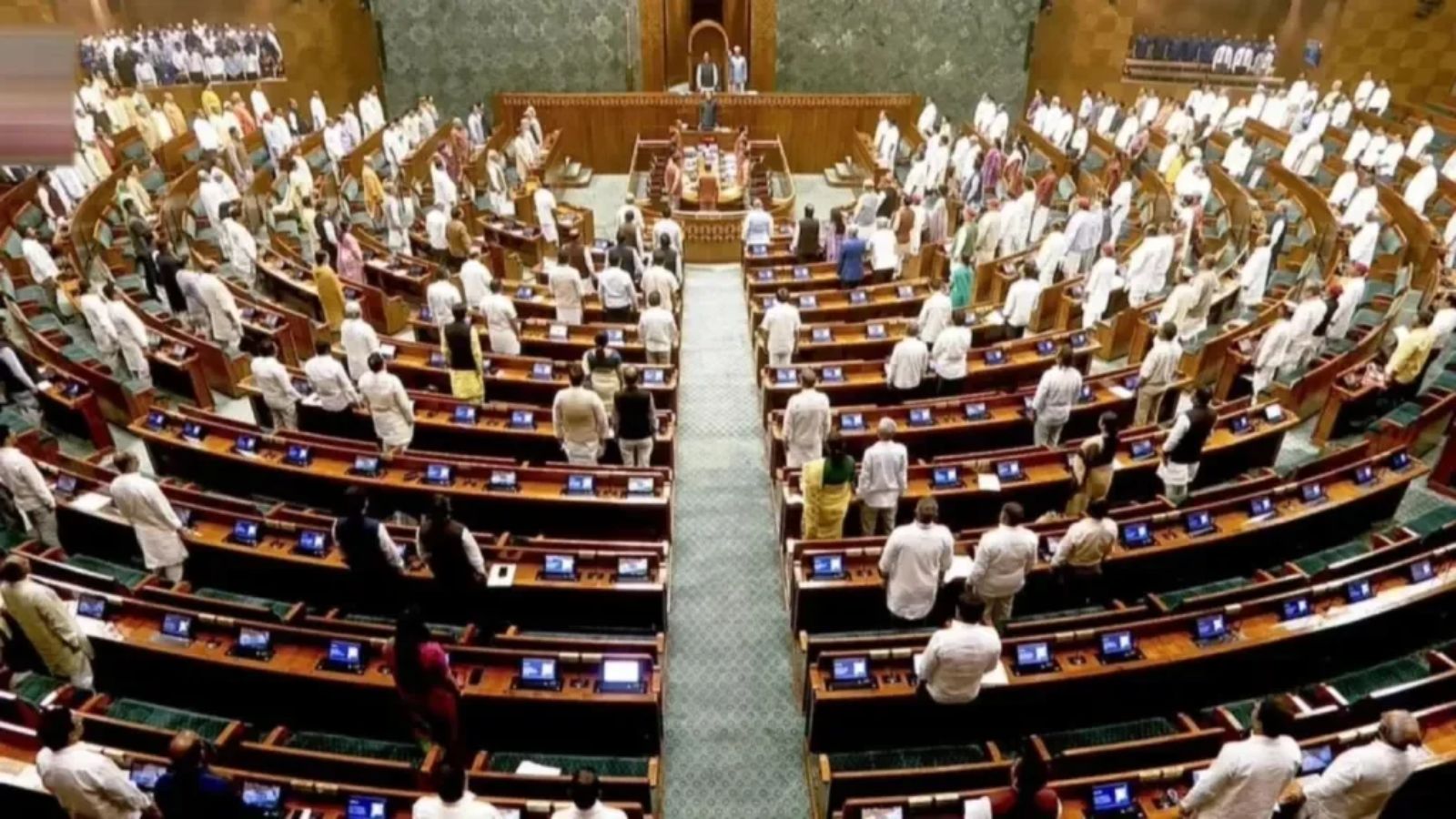
Ahead of a special Parliament sitting focused on delimitation and women's reservation legislation, the Lok Sabha Secretariat on Saturday notified seating changes for 97 MPs, including DMK members who will now sit closer to the Treasury Benches. The move followed a DMK resolution, passed at a Chennai meeting of its MPs chaired by party chief MK Stalin, to back the revised delimitation bills. The Union Cabinet had approved the Constitution (One Hundred and Thirty-Second Amendment) Bill, 2026, on Friday.
According to a Lok Sabha Secretariat source, the change was a pending request from the DMK. "It was a pending request from the party (DMK). But it was done on Saturday. The DMK will now sit on the Treasury side in both Houses, and seating has been changed for some other parties too because of that," the source said. In May, after the Congress allied with the Vijay-led TVK in Tamil Nadu to form a government following the DMK's defeat, party leader Kanimozhi wrote to Speaker Om Birla seeking a change in the party's seating, citing the end of its alliance with the Congress. The party submitted two reminders over the months, it was learnt.
With the notified changes, the 22 DMK MPs will sit with ruling members, though the party has made no formal announcement on joining the NDA. The DMK was part of the BJP-led NDA from 1999 to late 2003. This is not the first seating change in the current 18th Lok Sabha: 20 TMC MPs led by Kakoli Ghosh Dastidar split from the Mamata Banerjee-led party in June and joined the NCPI, later extending support to the NDA and receiving new seating during the Monsoon session. Six Shiv Sena (UBT) MPs also merged with the Eknath Shinde-led faction and have since sat with its members.
On the DMK's changed stance on the delimitation bill, MP Dayanidhi Maran said on Saturday that the Congress ought to "realise who is stabbing whom in the back," adding, "They use people and follow a use-and-throw policy." Maran said that when Chief Ministers met at the Chief Ministers' Conclave, they initially said there would be no delimitation, and the DMK did not want delimitation either. "But then we said that if we opposed delimitation altogether, it would create a major problem," he said.