The Narcotics Control Bureau (NCB) has filed a charge sheet against Thangcintuang, alias Chintuang, a Myanmar national accused of being the kingpin of a drug trafficking network operating between Myanmar and India, according to the document filed before a special court in Aizawl on November 14. More than two dozen people have been arrested so far across Mizoram, Manipur, Assam and Tripura in the case, and the investigation is continuing. The National Investigation Agency made its latest arrest, of a man from Assam, on November 16.
Chintuang's interrogation provided the basis for Operation Trident, launched on October 23 by three central agencies and four state police forces. Raids at 18 locations across Mizoram, Manipur and Assam led to the arrest of 18 accused, and investigators found evidence of hawala transactions worth over ₹100 crore, following which 1,424 bank accounts were frozen. Chintuang, 38, from Bulfec village in Myanmar's Chin State, was arrested in Greater Noida in May. He is lodged in a Mizoram jail.
According to the charge sheet, Chintuang allegedly confessed that consignments were procured from suppliers in Tahan in Myanmar's Sagaing region and brought by road to the border via Tedim, then stocked in Myanmar border villages. He allegedly identified four Myanmar-based suppliers involved in supplying heroin and methamphetamine, who are yet to be arrested. The charge sheet describes him as the principal and only intermediary between Myanmar suppliers and Indian buyers, and says he obtained an Aadhaar card by posing as a resident of Champhai in Mizoram.
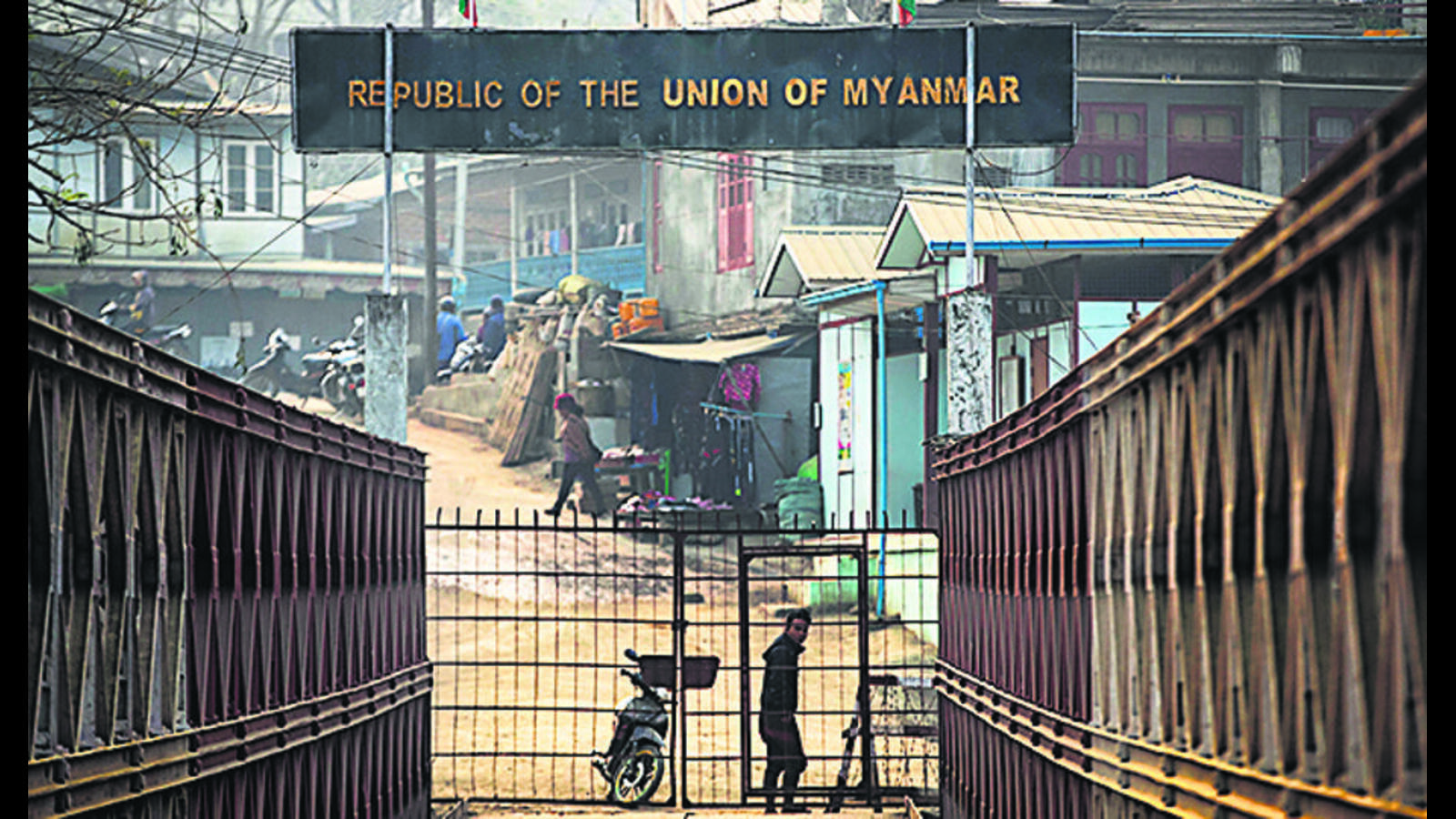
The charge sheet cites his confession that deliveries were generally made along the banks of the Tiau River and at isolated locations along the unfenced India-Myanmar border, with consignments moved by human carriers. It also details the network's alleged methods: women, many of them homemakers, were allegedly paid commissions to rent out their bank accounts for depositing drug money, accounts in the names of Indian nationals were operated by Myanmar residents, and money exchangers worked as hawala operators. The NCB will file charge sheets against the other accused.