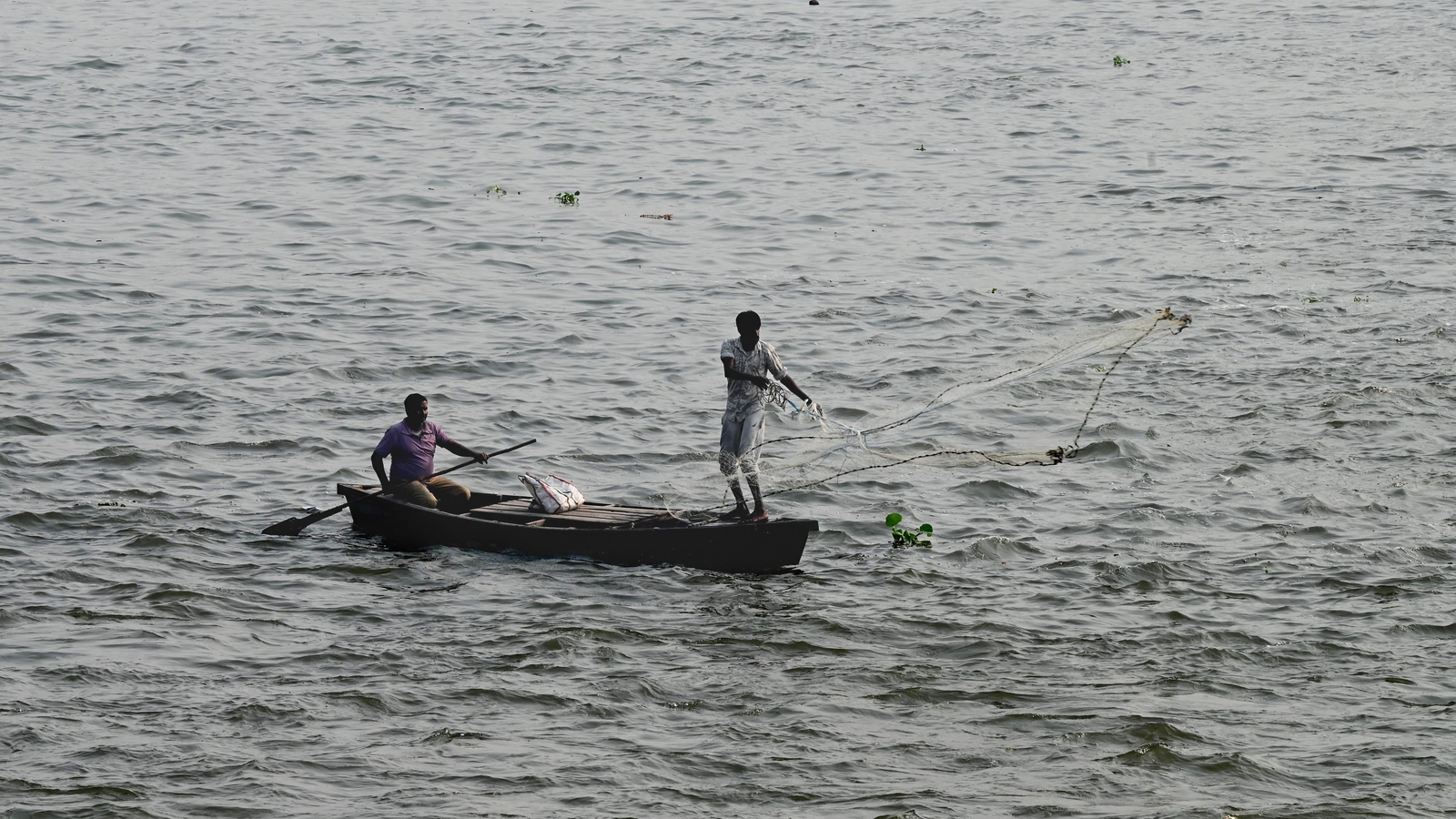
At least 45 incidents of mass fish deaths were reported in Indian rivers between November 2025 and November 2026, according to an assessment by the South Asia Network on Dams, Rivers and People (SANDRP). The findings follow the death of hundreds of fish in the Yamuna near Delhi's Sonia Vihar in November, which triggered a political dispute between the BJP and the Aam Aadmi Party. The AAP blamed pollution, while Delhi water minister Parvesh Verma accused unidentified people of dumping fish into the river to discredit the government. Delhi Police registered an FIR, but the cause remains unestablished.
SANDRP found that 60% of the incidents were concentrated in four river basins. The Ganga basin recorded the highest number, with nine incidents, all in the Yamuna basin, followed by the Brahmaputra with seven, the Krishna with six and the Indus with five. North and South India each recorded 12 incidents, West India eight and Northeast India seven. Industrial effluents and chemical pollution were suspected to be the primary reasons in around 20 cases, while sewage and domestic wastewater were identified as possible contributing factors in around 10. In some instances, inadequate water releases from dams, falling water levels and physical obstructions in rivers also appeared to contribute.
Repeated fish deaths were reported in the Yamuna, including thousands near Burari in North Delhi on October 14 and hundreds near Sonia Vihar on November 11, a day after the launch of the Namo Yamuna River Safari. Yamuna activist and SANDRP member Bhim Singh Rawat said the October incident was unusual as such deaths are more commonly reported in summer, and pointed to untreated industrial effluents from Haryana drains as a possible source. The Indrayani in Pune recorded three incidents and the Phalguni in Mangaluru at least three.
The report flagged gaps in investigations, with causes of several incidents remaining unconfirmed. SANDRP said delays in inspections, collection of water and fish samples, laboratory testing and public disclosure have weakened efforts to identify pollution sources and assign responsibility. In the Burari case, no laboratory investigation had established the cause or confirmed the pollution source, and in Baghpat, water samples were collected two days later and fish samples were not collected at all. Rawat said this shows the need for swifter action and raises questions for pollution control boards and the Central Pollution Control Board.