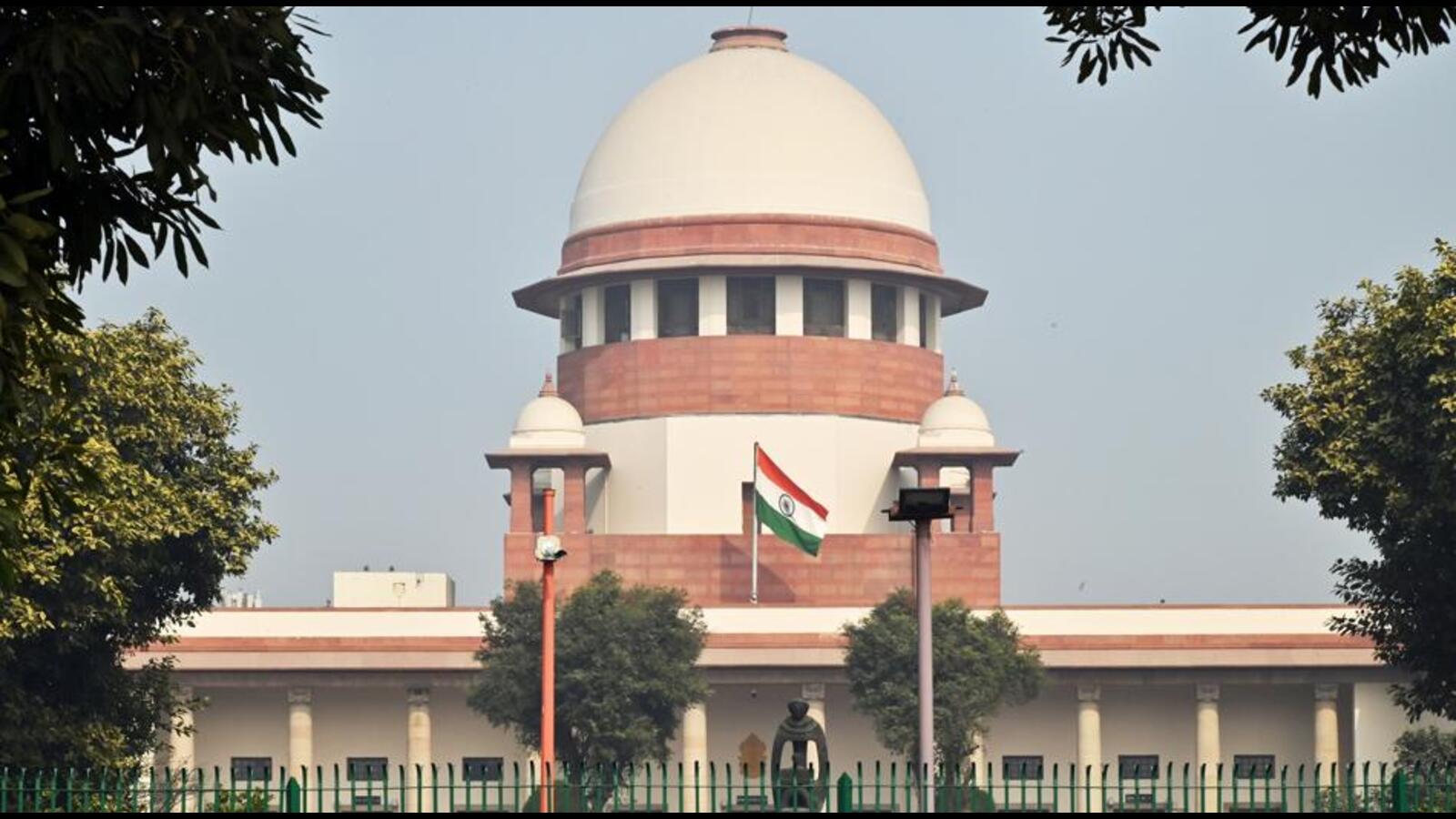
The Supreme Court on Monday said only vehicles meeting BS-VI emission standards should be permitted to ply in Delhi during the winter months, indicating it may extend restrictions across the wider National Capital Region. A bench comprising Chief Justice of India Surya Kant and justices Joymalya Bagchi and V Mohana made the observation while hearing its ongoing suo motu proceedings on air pollution in Delhi-NCR.
The court described the capital's relatively better air quality this November as a matter of good fortune, attributing it primarily to favourable winds rather than enforcement alone. When additional solicitor general Aishwarya Bhati, appearing for the Commission for Air Quality Management, pointed to authorities' efforts to contain pollution, the court remarked "primarily nature," while Bhati maintained that enforcement measures had also contributed.
The observations come as the Delhi government enforces restrictions on vehicles not meeting BS-VI norms during winter. Under its notification, vehicles registered outside Delhi that comply only with BS-IV or older norms are barred from plying in the capital between November 1 and January 31 each year. The government announced on November 7 that the restriction would be an annual measure, covering BS-IV and older commercial goods vehicles and buses entering the capital, with CNG and electric vehicles exempt along with specified emergency categories. Enforcement personnel have been deployed at major entry points, including DND, Rajokri, Ghazipur, Singhu, Tikri and Badarpur, and authorities have said they are using special teams and automatic number plate recognition cameras to monitor compliance.
The court also explored a five-year roadmap to progressively eliminate the entry of polluting commercial vehicles into Delhi without disrupting essential supplies, suggesting warehousing facilities at the city's borders where goods could be unloaded and moved into the capital through battery-operated or other non-polluting vehicles. It said its eventual directions should cover the entire NCR, not just Delhi. According to the Indian Institute of Tropical Meteorology's Air Quality Early Warning System, source-apportionment estimates for November 23 attributed around 21.5% of Delhi's PM2.5 pollution to transport within the city and estimated that 60% of the particulate pollution load came from sources outside Delhi, while stubble burning contributed less than 1% that day.