The Supreme Court has held that crime victims or their legal representatives must get a reasonable opportunity to present their views before a State decides on premature release or remission of a convict, recognising that the victim's right to participate in the criminal justice process does not end with the trial and sentence. A bench of justices Dipankar Datta and Sheel Nagu, ruling on November 26 in a petition challenging the Bihar government's decision to prematurely release former MP Anand Mohan, held that this opportunity must be read into applicable prison rules, at least in grave offences where the victim or family can reasonably be traced. The court clarified that such participation would not give victims a veto over the State's decision, which must be taken independently by the competent authority.
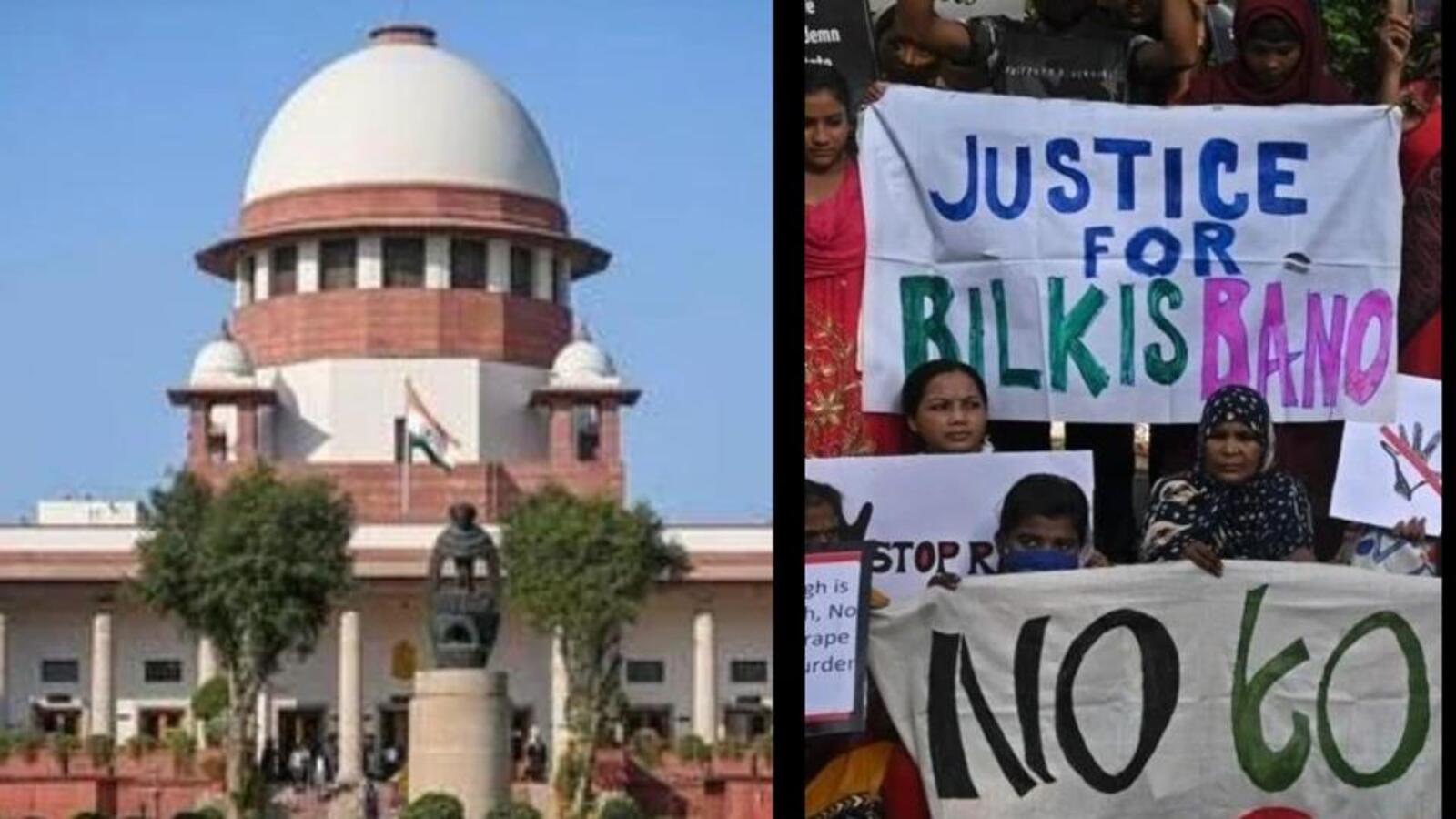
The ruling also raises a larger question about victims' right to be heard when courts consider pleas by convicts for suspension of sentence and bail, a question of particular significance in the Bilkis Bano gang rape case. The Supreme Court on October 28 suspended the life sentences of two of the 11 convicts, citing their 17 years of incarceration. Bano, who survived gang rape during the 2002 Gujarat riots and lost seven family members including her three-year-old daughter, later expressed anguish that the court had not informed her about the proceedings, much less heard her, according to a statement she issued after the order.
The judgment deals specifically with the State's executive power to grant remission and premature release under applicable prison rules, while the suspension of sentence and bail in the Bilkis Bano case involved the Supreme Court's judicial power. The two situations are legally distinct, and the latest ruling does not automatically invalidate or govern the bail order in Bano's case.
The bench noted that neither Section 432 of the Code of Criminal Procedure nor Section 473 of the Bharatiya Nagarik Suraksha Sanhita expressly provides for notice to or a hearing of the victim before a remission decision. Drawing on the three-judge bench ruling in Jagjeet Singh Vs Ashish Mishra (2022), it said a decision to prematurely release a convict could directly affect the victim and family, particularly in serious offences whose consequences continue long after trial, and held that an identifiable and traceable victim must be given a reasonable opportunity to submit a representation before the competent authority decides a remission plea.