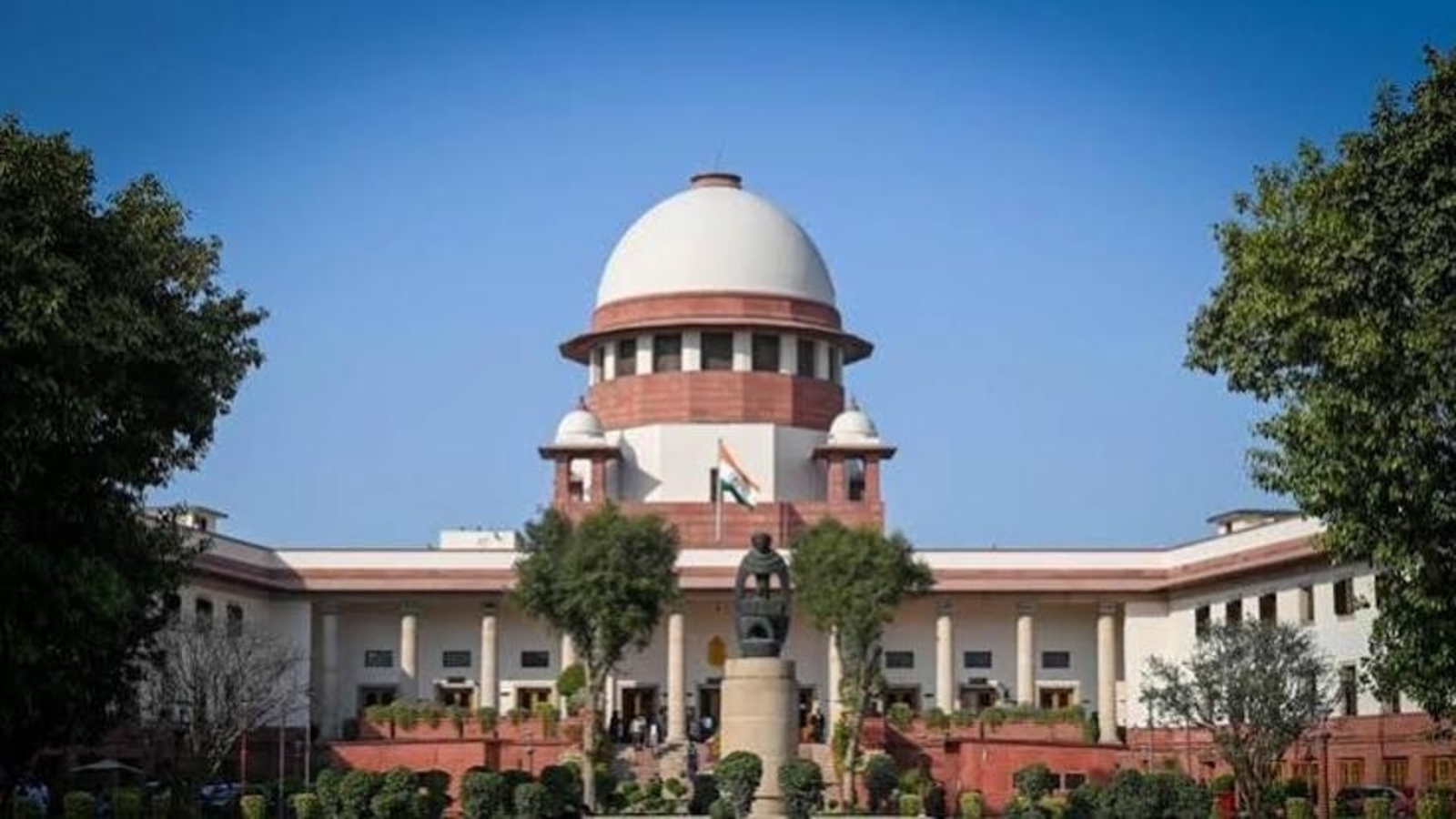
The Supreme Court has directed all states to immediately constitute grievance committees under the Wetland Conservation Rules, 2017, so that public complaints about encroachment on wetlands are heard and acted upon. The order was passed on Monday in a batch of petitions seeking demarcation and preservation of wetlands, filed by birder and environmentalist Anand Arya, advocate MK Balakrishnan and NGO Vanashakti, which stated that in the nine years since the Rules came into force, states and union territories have failed to demarcate wetlands.
A bench of justices Aravind Kumar and Vipul M Pancholi said the committees must be formed forthwith if not already constituted. Senior advocate Jayant Bhushan, assisting the court as amicus curiae, said Rule 5(6)(b) of the Rules provides for a four-member grievance committee to hear public grievances and forward them to the State Wetland Authorities, and that such panels were to be set up within 90 days of the Rules becoming operational. A Maharashtra-based lawyer said a committee exists in the state but is unresponsive, citing grievances that were not acted upon.
The court noted that wetlands protected by its orders are still being encroached upon, and said the committees, once constituted, would begin discharging their functions under the Rule. It directed that a copy of the order be sent to all chief secretaries for immediate implementation and posted the matter for further hearing on December 2. Bhushan said the committees are necessary to protect wetlands identified in the Space Application Centre Atlas 2021, which mapped 231,195 wetlands covering more than 2.25 hectares.
The order continues a series of directions in which the court has been monitoring states' efforts to demarcate wetland boundaries and conduct ground truthing before notifying them. In December 2024, the court directed states and union territories to demarcate all wetlands identified in the 2021 Atlas within three months, a deadline extended from time to time at the request of states. The court has held that water bodies are a source of drinking water and fall within the right to live under Article 21, and has said it cannot remain a mere spectator to water bodies remaining unprotected.